Veteran Benefits in 2026: 7 Updated Programs Explained
Anúncios
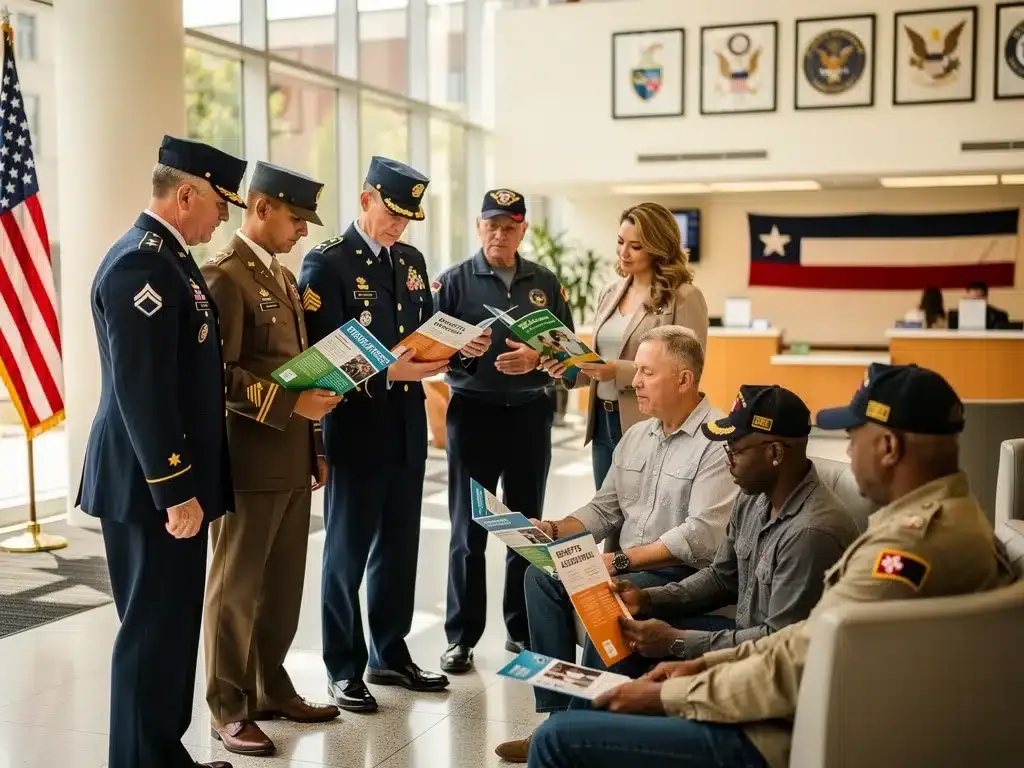
Veteran benefits in the U.S. continue to expand in 2026, with updated VA disability compensation rates and special monthly compensation rates now in effect. VA also says PACT Act-related claims and health care access remain a major priority for exposed veterans and survivors.
The changes matter because benefits can affect monthly income, medical access, survivor support, education planning, and long-term financial stability. VA also lists 2026 DIC rates for surviving spouses and dependents, while VR&E subsistence rates remain important for eligible veterans in training programs.
Readers should monitor VA claim timelines, PACT Act updates, disability rating decisions, survivor benefit rules, education policy changes, and regional outreach events. The key signal is whether faster processing translates into clearer access and fewer delays for veterans and families.
Understanding the Landscape of Veteran Benefits in 2026
The Department of Veterans Affairs (VA) has released critical updates concerning Veteran Benefits. These revisions aim to streamline access and enhance the quality of life for millions of American veterans.
These changes reflect ongoing efforts to adapt to the evolving needs of the veteran community, addressing both persistent challenges and emerging concerns. Understanding these updates is crucial for veterans, their families, and service organizations.
Anúncios
This section will delve into the overarching context of these benefit modifications, providing a foundational understanding of what veterans can expect. The focus remains on factual and objective reporting, drawing from official VA announcements and legislative documents.
Enhanced Healthcare Services and Eligibility Expansions
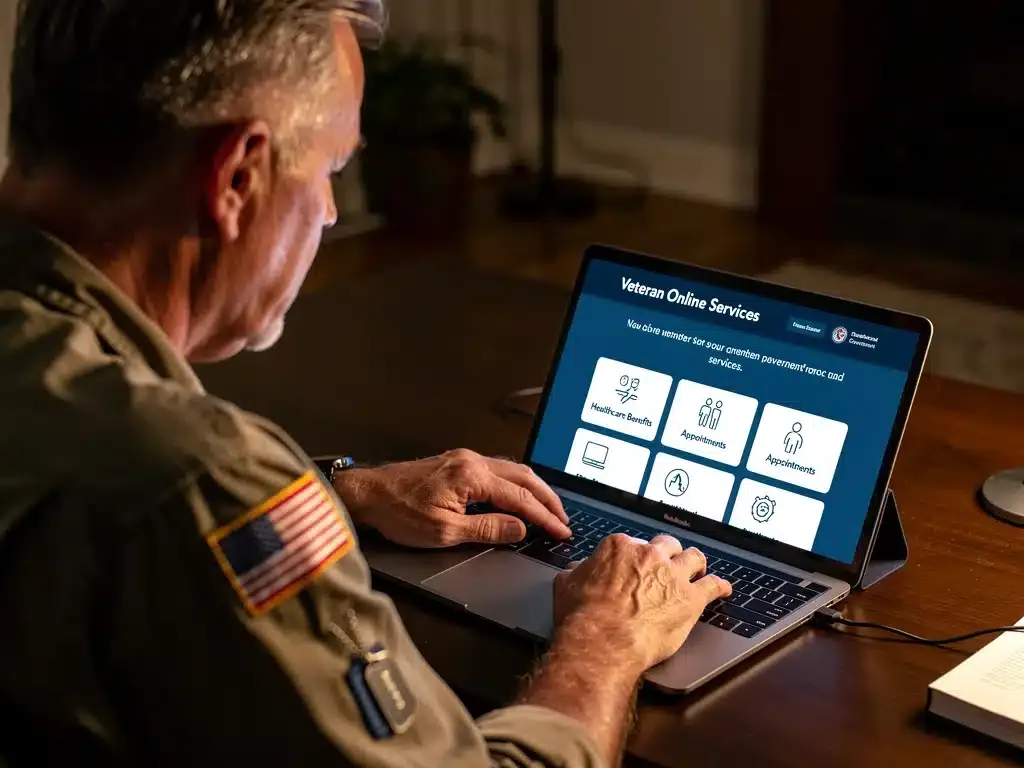
One of the most significant areas of modification for Veteran Benefits revolves around healthcare services. The VA is expanding eligibility criteria and introducing new service lines to address gaps in care.
These expansions aim to provide more comprehensive and timely medical attention, especially for veterans in rural areas or those with specific service-connected conditions. The goal is to reduce wait times and improve health outcomes across the board.
The emphasis on preventative care and mental health services has also been notably strengthened, reflecting a holistic approach to veteran well-being. These changes are designed to be more proactive in supporting veterans’ health needs.
Key Healthcare Program Updates
- PACT Act Implementation: Full integration of PACT Act provisions for toxic exposure-related conditions, expanding presumptive conditions and simplifying claims processes. This will significantly impact eligibility for many veterans seeking care for conditions linked to burn pits and other environmental hazards.
- Telehealth Expansion: Increased funding and infrastructure for telehealth services, ensuring veterans in remote areas have equitable access to specialists and routine care. This expansion aims to overcome geographical barriers that have historically affected care delivery.
- Mental Health Access: New initiatives to reduce mental health appointment wait times and expand access to specialized trauma-informed care. The VA is also focusing on peer support programs and community-based mental health resources.
The VA’s commitment to modernizing its healthcare delivery system is evident in these program updates. Veterans are encouraged to review their specific eligibility through official VA channels.
Financial Assistance and Housing Support Programs
Beyond healthcare, several financial assistance and housing support programs are undergoing significant revisions as part of Veteran Benefits. These updates are designed to combat veteran homelessness and improve financial stability.
Changes include increased funding for housing vouchers, expanded eligibility for home loan guarantee programs, and new grants for adaptive housing. The aim is to provide more secure living conditions for veterans and their families.
Anúncios
Financial literacy programs and career transition services are also being bolstered, offering veterans more tools to achieve economic independence. These initiatives recognize the interconnectedness of housing, financial stability, and overall well-being.
Updates to Housing and Financial Aid
- VA Home Loan Enhancements: Modifications to the VA Home Loan Guaranty program, potentially including reduced funding fees for certain eligible veterans and streamlined application processes. These changes seek to make homeownership more accessible.
- Homelessness Prevention: Increased funding for the Supportive Services for Veteran Families (SSVF) program and new partnerships with community organizations to provide immediate housing solutions and long-term support. The focus is on rapid re-housing and preventing chronic homelessness.
- Adaptive Housing Grants: Expanded criteria and higher grant amounts for Specially Adapted Housing (SAH) and Special Home Adaptation (SHA) grants, assisting severely disabled veterans in modifying their homes. This ensures veterans can live independently and safely.
These financial and housing updates represent a critical component of the comprehensive support system for veterans. Accessing these resources can significantly alleviate economic burdens.
Education and Employment Initiatives for Veterans
Education and employment remain pivotal for veterans transitioning to civilian life, and Veteran Benefits includes substantial updates in these areas. New programs focus on skill development and job placement.
The Post-9/11 GI Bill is seeing adjustments to better align with contemporary educational pathways and vocational training demands. This ensures veterans acquire relevant skills for today’s job market.
Furthermore, partnerships with private industries and educational institutions are being strengthened to create more direct pathways to employment for veterans. These collaborations are designed to bridge the gap between military experience and civilian careers.
Key Education and Employment Program Changes
- GI Bill Modernization: Adjustments to the Post-9/11 GI Bill to include more flexible options for non-traditional education, such as coding bootcamps and certifications, alongside traditional degree programs. This aims to support a wider range of career aspirations.
- Veteran Employment Programs: Enhanced funding for programs like the Veteran Readiness and Employment (VR&E) program, providing personalized career counseling, job training, and employment assistance. The goal is to reduce veteran unemployment rates.
- Apprenticeship Opportunities: Expansion of approved apprenticeship programs under VA benefits, connecting veterans directly with employers offering on-the-job training and guaranteed employment upon completion. This fosters practical skill development.
These updates underscore the commitment to equipping veterans with the necessary tools for successful post-service careers. Utilizing these benefits can lead to significant professional growth.
Support for Caregivers and Dependents
Recognizing the invaluable role of caregivers and the needs of dependents, Veteran Benefits also introduces important provisions for these groups. These changes aim to lessen the burden on families supporting veterans.
The Program of Comprehensive Assistance for Family Caregivers (PCAFC) is undergoing revisions to expand eligibility and improve the support services offered. This ensures caregivers receive the resources they need to provide essential care.
Educational and healthcare benefits for dependents are also being reviewed and updated, providing a more robust safety net for military families. These measures acknowledge the collective sacrifice of the entire family unit.
Caregiver and Dependent Benefit Updates
- Caregiver Program Expansion: Broader eligibility for the PCAFC program, extending support to more veterans from various eras and offering enhanced training, stipends, and mental health services for caregivers. This acknowledges caregivers’ critical role.
- Dependent Education Benefits: Review and potential adjustments to the Survivors’ and Dependents’ Educational Assistance (DEA) program, ensuring it remains relevant and adequately supports the educational pursuits of eligible dependents. This helps secure the future of military families.
- Family Healthcare Access: Initiatives to improve access to healthcare services for eligible dependents, possibly through expanded TRICARE options or enhanced coordination with VA healthcare. This provides comprehensive health coverage for families.
These dedicated programs highlight a holistic approach to veteran support, extending care and assistance to those who stand by them. Families are encouraged to explore available resources.
Streamlining the Claims Process and Digital Accessibility
A critical focus for Veteran Benefits is the modernization of the claims process. The VA is implementing new technologies and procedures to make filing claims more efficient and transparent.
Digital platforms are being enhanced to provide veterans with easier access to their records, application statuses, and benefit information. This aims to reduce administrative burdens and improve user experience.
Training for VA staff is also being intensified to ensure consistent and accurate processing of claims, minimizing errors and delays. The goal is to make the entire process more veteran-friendly and less daunting.
Improvements in Claims and Digital Services
- Online Claim Portal: Significant upgrades to the VA’s online claims portal, making it more intuitive and allowing for real-time tracking of claim status and submission of digital documents. This will reduce processing times and paperwork.
- AI-Powered Assistance: Pilot programs utilizing artificial intelligence to assist with initial claim reviews and identify missing documentation, potentially speeding up the preliminary stages of claim processing. This aims to increase efficiency and accuracy.
- Increased Outreach: Enhanced outreach efforts to educate veterans on how to navigate the claims process effectively, including workshops and direct assistance from trained benefits counselors. This ensures veterans are well-informed.
These advancements in claims processing and digital accessibility are poised to significantly improve the veteran experience. Simplifying these procedures is a top priority for the VA.
Future Outlook and Veteran Advocacy
The updates to Veteran Benefits are part of a continuous evolution, with future developments already on the horizon. Advocacy groups play a crucial role in shaping these ongoing changes.
Legislative efforts are continuously underway to further refine and expand benefits, responding to emerging needs and challenges within the veteran community. Public input and feedback remain vital to this process.
Veterans and their advocates are encouraged to stay informed and engaged, participating in discussions that influence policy decisions. Their collective voice is instrumental in securing and improving benefits.
The Role of Advocacy and Upcoming Changes
- Legislative Review Cycle: Regular congressional reviews and legislative proposals aimed at fine-tuning existing benefit programs and introducing new ones based on current veteran needs and economic conditions. This ensures benefits remain relevant.
- Veteran Community Feedback: Increased emphasis on collecting direct feedback from veterans through surveys, town halls, and veteran service organizations to inform future policy adjustments. This ensures veteran voices are heard.
- Innovation in Services: Continued exploration of innovative approaches to veteran support, including partnerships with technology firms and non-profits to deliver specialized services and solutions. This drives continuous improvement.
The future of veteran benefits depends heavily on ongoing engagement and advocacy. Staying connected with veteran organizations is key to influencing policy.
| Key Program | Brief Description |
|---|---|
| PACT Act Expansion | Enhanced healthcare for toxic exposure-related conditions. |
| Telehealth Services | Increased access to remote medical and mental health care. |
| Home Loan Guaranty | Streamlined processes and reduced fees for veteran home loans. |
| GI Bill Modernization | Flexible education options for non-traditional learning. |
Frequently Asked Questions About Veteran Benefits in 2026
What are the most significant changes to healthcare benefits for veterans in 2026?▼The most significant changes include the full implementation of the PACT Act, expanding presumptive conditions for toxic exposure. Additionally, there’s increased funding and infrastructure for telehealth services, aiming to improve accessibility and reduce wait times for mental health and general medical care, especially in underserved areas.
How will the updated financial assistance programs impact veteran housing?▼Updated financial assistance programs will significantly impact veteran housing by increasing funding for housing vouchers and expanding eligibility for home loan guarantee programs. New grants for adaptive housing for disabled veterans are also being introduced, all designed to combat homelessness and improve living conditions for veterans.
Are there new opportunities for veterans seeking education or employment in 2026?▼Yes, the Post-9/11 GI Bill is being modernized to include more flexible options for non-traditional education, like coding bootcamps. Enhanced funding for Veteran Readiness and Employment (VR&E) programs and expanded apprenticeship opportunities are also available, aiming to better align veteran skills with current job market demands.
What support is available for caregivers and dependents of veterans under the new programs?▼Support for caregivers and dependents includes broader eligibility for the Program of Comprehensive Assistance for Family Caregivers (PCAFC), offering enhanced training, stipends, and mental health services. Educational benefits for dependents under the DEA program are also being reviewed and potentially adjusted to ensure robust family support.
How is the VA streamlining the claims process for Veteran Benefits in 2026?▼The VA is streamlining the claims process through significant upgrades to its online portal, allowing for real-time tracking and digital document submission. Pilot programs using AI for initial claim reviews and increased outreach to educate veterans on effective claims navigation are also being implemented to enhance efficiency and transparency.
Looking Ahead: Navigating Veteran Benefits in 2026
The comprehensive updates to Veteran Benefits signify a proactive step towards better serving the nation’s veterans. It is imperative for veterans, their families, and support organizations to remain informed about these modifications and how they can directly impact access to vital services.
Ongoing legislative discussions and the continuous feedback loop from the veteran community will further shape the landscape of these benefits. Staying engaged with official VA announcements and veteran advocacy groups will be crucial for understanding future developments and maximizing available support.
These changes are designed to foster greater financial stability, improve healthcare access, and enhance opportunities for education and employment, ultimately contributing to a better quality of life for all who have served. The commitment to these Veteran Benefits reflects a societal dedication to those who sacrificed for the nation.