The 2026 WIC Program Changes: Enhanced Food Benefits for Women, Infants, and Children
Anúncios

Big updates are officially coming to grocery aisles across the United States. The 2026 WIC Program Changes are transforming how millions of families access vital nutrition, offering a permanent boost to monthly assistance.
This modern overhaul means more dollars for fresh produce, fewer restrictions on cultural foods, and expanded dairy alternatives. Federal authorities designed these updates to directly match the latest dietary guidelines and give shoppers much greater flexibility.
With states fully implementing these new standards this spring, keeping track of your specific household balance is essential. Here is exactly what is changing in the food packages, why it matters, and how to maximize your updated benefits.
Understanding the Scope of the 2026 WIC Program Changes
The upcoming 2026 WIC Program Changes represent a significant overhaul aimed at improving the nutritional support offered to vulnerable populations.
These modifications are designed to align benefits more closely with current dietary recommendations and address evolving public health needs.
Anúncios
The changes stem from extensive research and stakeholder feedback, ensuring that the program remains effective and responsive.
Federal agencies have collaborated to craft a framework that enhances both the quantity and quality of food items available to participants.
This initiative underscores a commitment to fostering healthier beginnings for women, infants, and children across the nation. The goal is to mitigate food insecurity and promote long-term well-being through targeted dietary assistance.
Key Enhancements to Food Packages
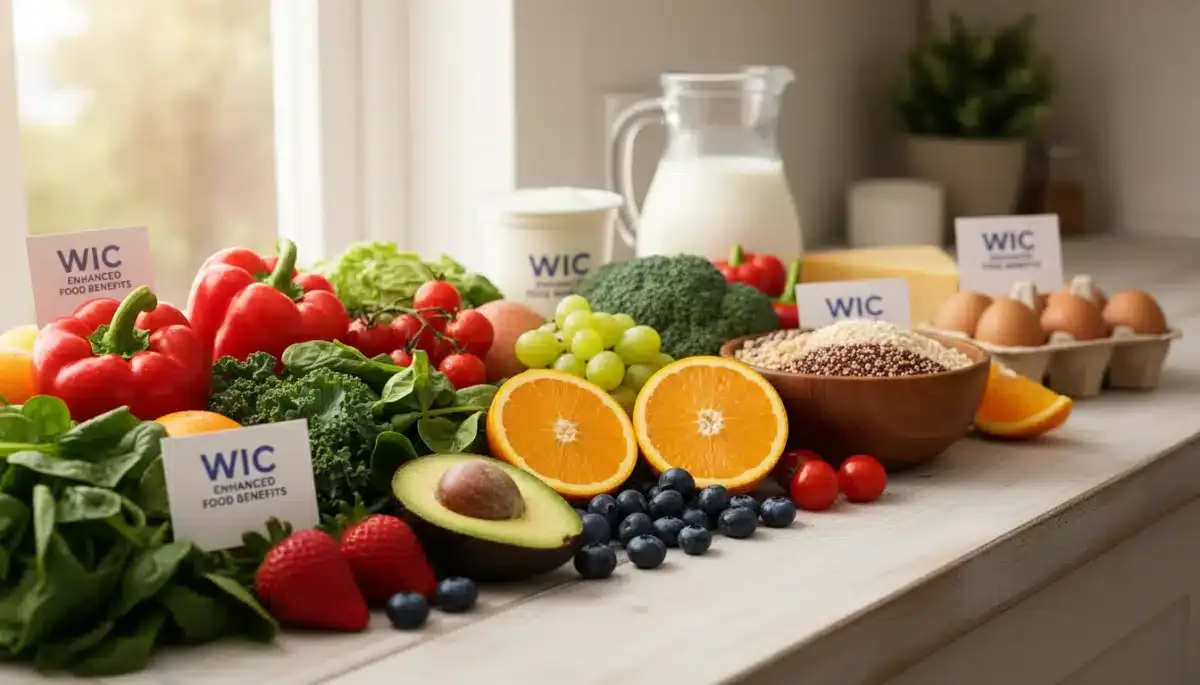
A central component of the 2026 WIC Program Changes involves substantial enhancements to the food packages provided. These revisions focus on increasing access to a wider variety of nutritious foods, particularly fresh produce and whole grains.
The updated food lists reflect contemporary nutritional science, emphasizing foods that support healthy growth and development. This move is expected to have a direct positive impact on participants’ dietary quality and health outcomes.
Specific adjustments include expanded options for fruits and vegetables, increased allowances for certain food categories, and greater flexibility in food choices. These changes are crucial for the effectiveness of the 2026 WIC Program Changes.
Increased Fruit and Vegetable Vouchers
One of the most anticipated aspects of the 2026 WIC Program Changes is the significant boost in the cash value benefit (CVB) for fruits and vegetables. This increase aims to encourage greater consumption of these essential food groups.
Anúncios
For pregnant and postpartum women, as well as children, the CVB will see a notable rise, allowing for more purchasing power. This decision directly addresses long-standing calls from health advocates for better access to fresh produce.
- Higher monthly allowances for fruits and vegetables.
- Expanded options for purchasing fresh, frozen, or canned produce.
- Greater flexibility in selecting culturally appropriate fruits and vegetables.
Expanded Whole Grain and Dairy Options
The 2026 WIC Program Changes also introduce more diverse whole grain and dairy product selections. Participants will have broader choices, accommodating various dietary preferences and needs.
This includes a wider array of whole grain breads, cereals, and pasta, alongside different types of milk and dairy alternatives. The aim is to make healthy eating more accessible and enjoyable for WIC families.
The program will also explore options for lactose-free and plant-based dairy alternatives, ensuring inclusivity for participants with specific dietary requirements. These additions are vital to the success of the 2026 WIC Program Changes.
Eligibility and Enrollment Updates for 2026
While the core eligibility criteria for WIC are expected to remain consistent, the 2026 WIC Program Changes may introduce minor adjustments to streamline the enrollment process.
These updates are designed to reduce administrative burdens and improve accessibility for eligible individuals.
Efforts are underway to simplify documentation requirements and enhance the digital application experience. The goal is to ensure that all qualifying women, infants, and children can easily access the vital support offered by the program.
State WIC agencies are currently preparing for these procedural shifts, with training programs being developed for staff to facilitate a smooth transition. Understanding these changes is key to navigating the 2026 WIC Program Changes.
Streamlined Application Process
To improve participant experience, states are looking into digital solutions for WIC applications and certifications. This initiative aims to make the process more convenient and less time-consuming for busy families.
Online portals and telehealth options for nutrition counseling and certification are being piloted in various regions. These technological advancements are expected to significantly boost program participation rates.
- Digital application forms and submission options.
- Remote certification appointments via video conferencing.
- Reduced paperwork and simplified verification steps.
Outreach and Awareness Campaigns
Accompanying the 2026 WIC Program Changes, extensive outreach and awareness campaigns are planned to inform the public about the enhanced benefits. These campaigns will target underserved communities and ensure broad dissemination of information.
Community partnerships, social media initiatives, and multilingual resources will be deployed to reach diverse populations. The objective is to maximize program enrollment and ensure that all eligible individuals are aware of the support available.
These efforts are critical to the success of the 2026 WIC Program Changes, ensuring that the benefits reach those who need them most. Effective communication is paramount for widespread adoption and utilization.
Impact on Maternal and Child Health
The 2026 WIC Program Changes are poised to deliver a substantial positive impact on maternal and child health outcomes. By providing access to more nutritious foods, the program aims to reduce rates of diet-related illnesses and improve overall well-being.
Improved nutrition during pregnancy and early childhood is directly linked to better birth outcomes, enhanced cognitive development, and stronger immune systems. These enhancements are a direct investment in the health of future generations.
Public health experts anticipate a measurable decrease in nutritional deficiencies among WIC participants, contributing to a healthier population overall. The 2026 WIC Program Changes are a strategic public health intervention.
Addressing Nutritional Disparities
A key focus of the 2026 WIC Program Changes is to address persistent nutritional disparities among different socioeconomic and ethnic groups. The enhanced benefits are tailored to meet the diverse needs of WIC participants.
By offering a wider range of culturally appropriate foods and increasing the value of food packages, the program seeks to promote equitable access to healthy eating. This proactive approach aims to bridge existing health gaps.
Targeted education and support services will also be provided to help families make informed food choices. This holistic approach is integral to the comprehensive nature of the 2026 WIC Program Changes.
Promoting Healthy Eating Habits
Beyond providing food, the 2026 WIC Program Changes continue to emphasize nutrition education and counseling. These services empower participants to adopt and maintain healthy eating habits for their families.
Updated educational materials and personalized counseling sessions will focus on practical strategies for meal planning, cooking with WIC foods, and understanding food labels. The goal is to instill lifelong healthy behaviors.
The program aims to be a resource not just for food, but for comprehensive nutritional guidance, supporting families in making sustainable healthy choices. These educational components amplify the impact of the 2026 WIC Program Changes.
Implementation Challenges and Solutions
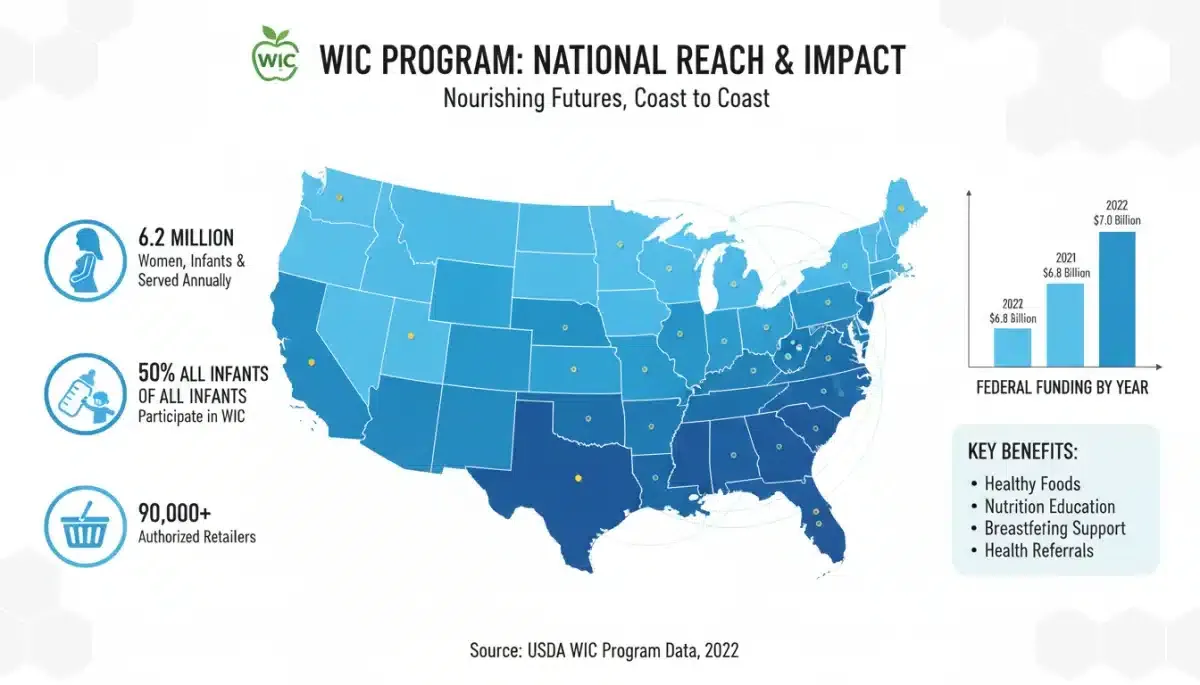
Implementing the extensive 2026 WIC Program Changes will not be without its challenges. State agencies, retailers, and participants will need to adapt to new guidelines, product lists, and administrative procedures.
Potential hurdles include ensuring adequate stocking of new WIC-approved foods by retailers and effectively communicating the changes to a diverse participant base. Proactive planning is essential to mitigate these issues.
Federal and state WIC offices are collaborating closely with stakeholders to develop robust implementation plans and provide necessary support. Addressing these challenges is vital for the smooth rollout of the 2026 WIC Program Changes.
Retailer Preparedness and Training
A critical aspect of successful implementation involves ensuring that authorized WIC vendors are fully prepared for the 2026 WIC Program Changes. This includes updating inventory, point-of-sale systems, and staff training.
WIC agencies are working with retailers to provide clear guidance on stocking new food items and processing transactions under the revised program rules. Regular communication and technical assistance will be offered.
- Training programs for retail staff on new WIC food lists.
- Updates to point-of-sale systems to recognize new WIC-approved items.
- Monitoring and support for retailers to ensure compliance and availability.
Participant Education and Support
Ensuring that WIC participants understand the 2026 WIC Program Changes is paramount. Comprehensive educational materials, workshops, and one-on-one counseling will be provided to explain the new benefits and how to utilize them effectively.
WIC clinics will serve as primary hubs for disseminating information and offering personalized assistance. Bilingual resources and culturally sensitive communication strategies will be employed to reach all families.
The goal is to empower participants to maximize their enhanced food benefits and make informed choices for their families’ nutrition. This support is crucial for the overall success of the 2026 WIC Program Changes.
Long-Term Vision for WIC
The 2026 WIC Program Changes signify a pivotal moment for public health and nutrition support in the United States. These enhancements are designed to fortify the well-being of women, infants, and children, addressing critical nutritional needs with a forward-thinking approach.
Future iterations of the program will likely incorporate further advancements in nutritional science, public health best practices, and technological innovation. The current changes lay a strong foundation for ongoing improvements.
Stakeholders anticipate that WIC will remain a cornerstone of national efforts to combat food insecurity and promote early childhood health for decades to come. The 2026 WIC Program Changes are a testament to this enduring commitment.
| Key Aspect | Brief Description |
|---|---|
| Food Package Boosts | Significant increases in fruit/vegetable vouchers and broader food options. |
| Streamlined Access | Efforts to simplify application and enrollment processes for families. |
| Health Impact | Expected improvements in maternal and child nutritional outcomes. |
| Implementation Focus | Support for retailers and robust participant education are key. |
Frequently Asked Questions About the 2026 WIC Program Changes
What exactly are the 2026 WIC Program Changes?▼The 2026 WIC Program Changes refer to significant updates to the Special Supplemental Nutrition Program for Women, Infants, and Children. These changes primarily focus on enhancing the food benefits provided, expanding food options, and streamlining program access to better support the nutritional needs of eligible families.
How will the food benefits be enhanced?▼Enhancements include increased cash value benefits for fruits and vegetables, offering participants more purchasing power for healthy produce. Additionally, there will be expanded choices for whole grains and dairy products, including potential plant-based alternatives, aligning with updated dietary guidelines and diverse needs.
Who is eligible for these enhanced benefits?▼Eligibility for the WIC program remains consistent, primarily serving low-income pregnant, breastfeeding, and postpartum women, and infants and children up to age five who are at nutritional risk. The 2026 WIC Program Changes aim to make these existing benefits more impactful for current and future eligible participants.
When will these changes officially take effect?▼The 2026 WIC Program Changes are slated to take full effect in 2026. While planning and preparatory work are ongoing, participants and retailers should anticipate the full implementation of the revised food packages and updated guidelines at the beginning of that year, with specific dates varying by state.
Where can I find more information about the updates?▼For the most accurate and up-to-date information regarding the 2026 WIC Program Changes, individuals should consult their local WIC agency, state WIC program websites, or the official USDA Food and Nutrition Service (FNS) website. These resources will provide detailed guidance specific to your area.
Looking Ahead
The 2026 WIC Program Changes signify a pivotal moment for public health and nutrition support in the United States.
These enhancements are designed to fortify the well-being of women, infants, and children, addressing critical nutritional needs with a forward-thinking approach.
As implementation phases unfold, attention will remain on how effectively these changes translate into real-world benefits for families. Monitoring the impact on health outcomes and participant satisfaction will be crucial for evaluating the success of the 2026 WIC Program Changes.
Stakeholders, policymakers, and communities must continue to collaborate to ensure the longevity and adaptability of WIC, affirming its role as a vital safety net for America’s youngest and most vulnerable populations.
The 2026 WIC Program Changes set a new standard for nutritional assistance.