New Federal SNAP Benefit Adjustments for 2026: What 3 Million Households Need to Know Now
Anúncios
Navigating the latest policy shifts around SNAP Benefit Adjustments for 2026 is vital for millions of households relying on monthly grocery support.
With revised income limits, updated cost-of-living allowances, and stricter eligibility criteria taking effect, staying informed is key to protecting your household budget.
Recent legislative updates to federal food assistance have altered how monthly allotments are calculated across the country.
Understanding these shifting qualification thresholds, state-level administrative rules, and work requirement expansions ensures low-income families can maintain essential nutritional aid without unexpected disruptions.
Whether you are a long-time recipient or checking eligibility for the first time, knowing what to expect is crucial for financial stability. Here is everything you need to know about navigating the newest food stamp updates and securing your nutritional assistance in 2026.
Anúncios
Understanding the Scope of New Federal SNAP Benefit Adjustments for 2026
The federal government periodically reviews and adjusts benefit programs like SNAP to reflect economic changes, inflation, and evolving societal needs.
The upcoming SNAP Benefit Adjustments for 2026 are part of this ongoing process, designed to ensure the program remains effective and equitable. These adjustments can encompass various aspects, from benefit amounts to eligibility criteria and administrative procedures.
For the approximately 3 million households currently relying on SNAP, these adjustments are not minor administrative details but crucial factors influencing their ability to afford nutritious food.
The precise nature of these changes is still under review and subject to legislative processes, but early indicators suggest a focus on refining the program’s reach and impact. Staying informed about these developments is vital for proactive planning.
The historical context of SNAP adjustments often reveals a balance between fiscal responsibility and the imperative to address food insecurity.
Stakeholders, including federal agencies, state governments, and advocacy groups, are actively involved in shaping the narrative and influencing the final decisions.
Their input is critical in ensuring that the SNAP Benefit Adjustments for 2026 ultimately serve the best interests of beneficiaries.
Anúncios
Key Factors Driving SNAP Adjustments for 2026
Several significant factors are influencing the SNAP Benefit Adjustments for 2026. Economic indicators, such as inflation rates and the cost of living, play a substantial role in determining appropriate benefit levels.
When food prices rise, the purchasing power of existing benefits diminishes, necessitating adjustments to maintain adequacy.
Legislative priorities and budgetary considerations at the federal level also heavily impact these decisions. Congress regularly debates and enacts farm bills and other legislation that dictate the parameters of SNAP.
These political processes can introduce new requirements, modify existing ones, or allocate different levels of funding, all of which directly affect the program. The SNAP Benefit Adjustments for 2026 will be a direct outcome of these legislative decisions.
Furthermore, data on food insecurity rates and the demographics of SNAP recipients provide crucial insights into where program adjustments are most needed.
Agencies analyze these trends to identify gaps in coverage, assess the effectiveness of current policies, and propose targeted improvements. Understanding these underlying drivers helps contextualize the forthcoming changes and their potential impact on millions of households.
Economic Considerations and Inflation’s Role
The current economic climate, marked by fluctuating inflation, is a primary catalyst for the upcoming SNAP adjustments. Food costs have been a significant concern for many families, directly impacting their ability to stretch their food budgets.
Federal policymakers are examining how to ensure that SNAP benefits adequately cover the rising cost of groceries, especially for essential items.
Official reports indicate that the Thrifty Food Plan, which forms the basis for SNAP benefit calculations, is undergoing a detailed re-evaluation to reflect contemporary food prices and dietary guidelines.
This re-evaluation is a critical component of the SNAP Benefit Adjustments for 2026, aiming to provide a more realistic and effective level of assistance. The outcome will directly influence the monthly allocations for recipients.
Legislative Landscape and Policy Debates
The legislative process surrounding the Farm Bill, typically renewed every five years, is a major arena where SNAP Benefit Adjustments for 2026 are debated and decided.
Various proposals from both sides of the aisle are currently under consideration, ranging from minor tweaks to more substantial overhauls of the program. These debates often center on eligibility requirements, work requirements, and the overall funding for SNAP.
- Proposed changes to work requirements for able-bodied adults without dependents.
- Discussions around expanding or limiting categorical eligibility for certain populations.
- Potential adjustments to the maximum benefit amounts and deduction calculations.
Advocacy groups and public health organizations are actively lobbying Congress to protect and strengthen SNAP benefits, emphasizing the program’s vital role in public health and economic stability.
Their arguments often highlight the direct link between adequate nutrition and improved health outcomes, particularly for children and the elderly. The final legislative text will shape the future of the program for years to come.
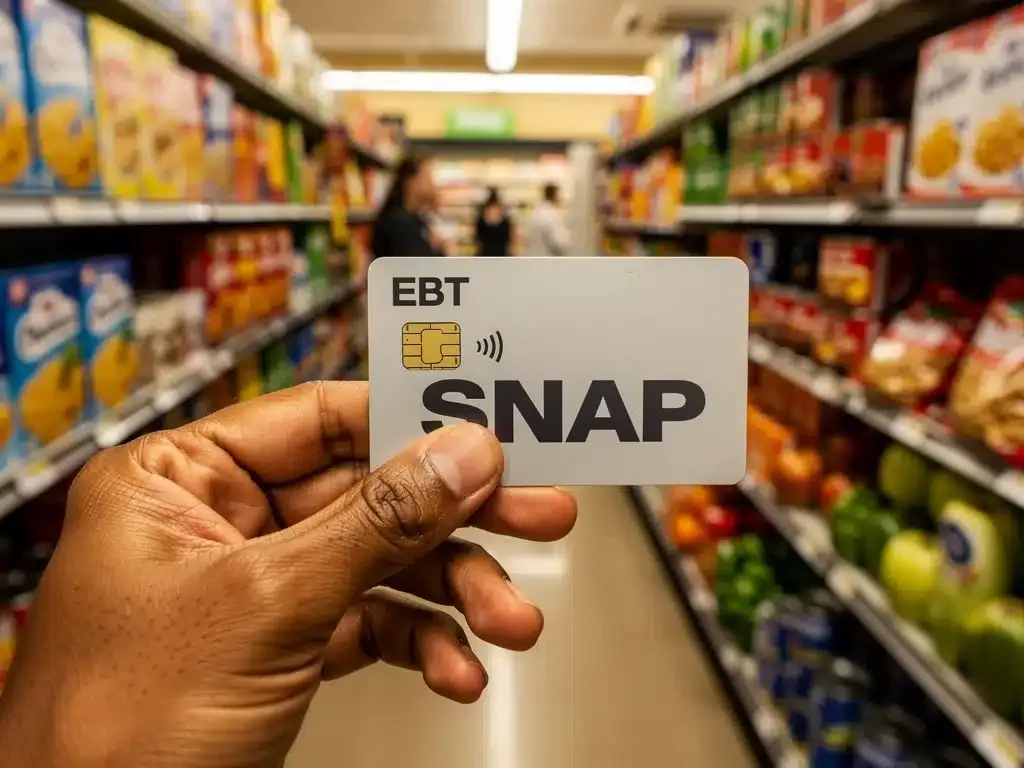
Eligibility Criteria: What Could Change for 3 Million Households
A significant aspect of the SNAP Benefit Adjustments for 2026 involves potential modifications to eligibility criteria. While core requirements are likely to remain, such as income thresholds and household composition, some areas may see revisions.
These changes could impact who qualifies for benefits and the amount of assistance they receive.
For example, there have been ongoing discussions regarding asset limits, which determine how much money or property a household can possess while still being eligible for SNAP.
Any adjustments to these limits could either broaden or narrow the pool of eligible recipients. Households should closely monitor official announcements from the USDA and their state SNAP agencies for specific details.
Furthermore, changes to work requirements or exemptions for certain groups, such as students or individuals with disabilities, are frequently debated.
These policy shifts can have a profound effect on a household’s ability to maintain their SNAP benefits. Understanding the nuances of these potential changes is crucial for the 3 million households navigating the upcoming SNAP Benefit Adjustments for 2026.
Income Thresholds and Asset Limits
Currently, SNAP eligibility is primarily determined by a household’s gross and net income relative to the federal poverty level. The SNAP Benefit Adjustments for 2026 could see modifications to these income thresholds, potentially altering who qualifies.
Many states also have asset limits, though some have eliminated them, and federal discussions sometimes revisit this aspect.
Any alterations to these financial criteria would immediately affect a large number of households. For instance, a slight increase in income thresholds could make more working-poor families eligible, while a decrease could disqualify others.
It is imperative for households to review their current financial standing against any newly published guidelines as they become available.
Work Requirements and Exemptions
Work requirements for able-bodied adults without dependents (ABAWDs) have been a recurring point of policy debate. While there are existing exemptions, future SNAP Benefit Adjustments for 2026 could modify these rules, potentially impacting a segment of the 3 million households.
Such changes often aim to encourage employment but can also create barriers for individuals facing challenges like limited job opportunities or health issues.
States often have some flexibility in implementing these federal requirements, and local economic conditions can influence how stringent these rules are applied.
Beneficiaries should be aware of any proposed changes to work requirements and understand how they might apply to their specific circumstances. Resources from state SNAP offices and local non-profits can provide guidance on these complex regulations.
Potential Impact on Benefit Amounts and Purchasing Power
The most direct and tangible effect of the SNAP Benefit Adjustments for 2026 will be on the actual benefit amounts received by eligible households.
These adjustments are typically designed to ensure that benefits remain sufficient to purchase a nutritionally adequate diet, but the specific calculations can lead to varied outcomes for different family sizes and income levels.
If the adjustments reflect an increase in the cost of living and inflation, many households might see a modest rise in their monthly allocations.
Conversely, policy changes that aim to reduce overall program spending could lead to smaller increases or even reductions for some beneficiaries. The long-term purchasing power of SNAP benefits is a critical concern for advocates.
The USDA’s re-evaluation of the Thrifty Food Plan is central to these calculations, as it sets the baseline for what constitutes an affordable, healthy diet.
The findings of this re-evaluation will directly inform the SNAP Benefit Adjustments for 2026, aiming to align benefits more closely with real-world food costs. This process is complex, considering regional variations in food prices and dietary needs.
Calculating New Benefit Levels
The calculation of SNAP benefit levels is intricate, taking into account household income, deductions for expenses like housing and utilities, and the maximum allowed benefit for a given household size.
The SNAP Benefit Adjustments for 2026 will likely involve modifications to these underlying formulas, which could result in changes to individual benefit amounts. It is important to note that not all households will experience the same degree of change.
For example, a household with high housing costs might see a different impact than one with lower expenses, depending on how deductions are adjusted. The USDA aims to provide transparent guidelines once the new calculations are finalized.
Beneficiaries should pay close attention to official communications from their state SNAP agencies, which will detail how these changes specifically apply to them.
Addressing Food Insecurity and Inflation
A primary goal of SNAP is to combat food insecurity, and the SNAP Benefit Adjustments for 2026 are expected to address this persistent challenge.
With ongoing inflation affecting grocery prices, ensuring that benefits keep pace with the cost of food is paramount. Failure to do so could exacerbate food insecurity for millions of Americans.
- Monitoring the Consumer Price Index (CPI) for food categories.
- Analyzing regional food cost variations to ensure equitable benefits.
- Evaluating the effectiveness of current benefit levels in supporting healthy diets.
Advocates are pushing for adjustments that not only reflect inflation but also enhance the nutritional adequacy of the food that SNAP recipients can purchase.
This includes supporting policies that make fresh, healthy foods more accessible and affordable. The success of these adjustments will be measured by their tangible impact on reducing hunger and improving dietary outcomes.
How State Agencies Will Implement the Changes
While the SNAP Benefit Adjustments for 2026 are determined at the federal level, their implementation falls to state agencies. Each state’s Department of Social Services or equivalent agency is responsible for translating federal guidelines into actionable procedures for beneficiaries.
This involves updating their systems, training staff, and communicating changes effectively to the public.
The timeline for state-level implementation can vary, depending on the complexity of the changes and the resources available to each state. Beneficiaries should anticipate a period of transition as states adapt their processes.
It is crucial for households to keep their contact information updated with their state SNAP office to receive timely notifications about any new requirements or benefit changes.
State agencies also play a vital role in providing local support and resources, often partnering with community organizations to assist beneficiaries.
These partnerships are instrumental in helping households understand the SNAP Benefit Adjustments for 2026 and navigate any new application or reporting processes. Access to accurate and localized information will be key during this period.
State-Specific Guidelines and Communication
Each state will issue its own specific guidelines and communication regarding the SNAP Benefit Adjustments for 2026.
While the federal framework provides the overarching rules, states often have some discretion in how they interpret and apply certain policies, particularly those related to deductions, exemptions, and reporting requirements.
This means that a beneficiary in one state might experience slightly different impacts compared to someone in another.
State SNAP offices are the primary source for localized information. They will typically update their websites, send out mailings, and hold public information sessions to inform recipients of changes.
It is highly recommended that households actively seek out these official state communications to ensure they have the most accurate and up-to-date information relevant to their location.
Support Services and Resources for Beneficiaries
As the SNAP Benefit Adjustments for 2026 roll out, a network of support services will be crucial for beneficiaries. These services include assistance with application processes, understanding new eligibility rules, and navigating any appeals if benefits are altered or denied.
Many non-profit organizations and community food banks also offer guidance and direct assistance.
- Local SNAP offices and their helplines for direct inquiries.
- Community organizations and food banks offering application assistance and information.
- Online resources from the USDA and state government websites for official updates.
These resources are designed to help households manage the transition and ensure continued access to vital food assistance. Proactive engagement with these support systems can help prevent disruptions in benefits and provide peace of mind for those affected by the upcoming changes.

Preparing for the New Federal SNAP Benefit Adjustments for 2026
For the 3 million households potentially affected, proactive preparation is the best approach to navigating the SNAP Benefit Adjustments for 2026.
This includes staying informed through official channels, reviewing personal eligibility, and understanding potential impacts on household budgets. Early planning can mitigate any disruptions to food security.
One crucial step is to ensure that all personal and household information on file with state SNAP agencies is current and accurate. This includes contact details, income information, and household composition.
Up-to-date records facilitate timely communication and ensure that any changes in benefits are processed correctly. The SNAP Benefit Adjustments for 2026 will rely on accurate data.
Additionally, households should begin considering how potential changes in benefit amounts might affect their food budget. Exploring local food resources, such as food banks, community gardens, or farmers’ markets that accept SNAP, can provide supplementary support.
Diversifying food sources can offer a buffer against any reductions in federal assistance.
Staying Informed Through Official Channels
The most reliable information regarding the SNAP Benefit Adjustments for 2026 will come directly from the United States Department of Agriculture (USDA) and individual state SNAP agencies.
Regularly checking their official websites, subscribing to newsletters, or following their social media channels can provide timely updates and prevent reliance on misinformation. These are the authoritative sources for all policy changes.
Attending public hearings or informational sessions, if available in your area, can also offer valuable insights and opportunities to ask direct questions.
These forums often provide a platform for federal and state officials to explain the upcoming changes in detail. Being proactive in seeking out this information is essential for affected households.
Budgeting and Alternative Food Resources
As the SNAP Benefit Adjustments for 2026 draw closer, reviewing and potentially adjusting household food budgets becomes critical. Understanding how any changes in benefit amounts could impact purchasing power allows families to plan accordingly.
This might involve exploring more cost-effective meal planning strategies or identifying discounted grocery options.
- Developing a detailed monthly food budget based on anticipated SNAP benefits.
- Researching local food banks, pantries, and meal programs for supplementary support.
- Exploring farmers’ markets and community-supported agriculture (CSA) programs that accept EBT.
Connecting with local community organizations that specialize in food assistance can also provide valuable guidance and access to additional resources.
Many of these groups offer workshops on healthy eating on a budget or connect individuals with local food distribution points. Proactive budgeting and resource exploration can significantly enhance food security during this transition.
| Key Point | Brief Description |
|---|---|
| Upcoming Adjustments | Federal SNAP benefits are set for review and potential changes in 2026, impacting millions of households. |
| Eligibility & Benefits | Changes may affect income thresholds, asset limits, work requirements, and the overall monthly benefit amounts. |
| Implementation | State agencies will implement federal changes, requiring beneficiaries to stay updated via official state channels. |
| Preparation Steps | Households should update contact info, review budgets, and explore local food resources to prepare for changes. |
Frequently Asked Questions About 2026 SNAP Adjustments
What exactly are the New Federal SNAP Benefit Adjustments for 2026?▼These are the periodic revisions to the Supplemental Nutrition Assistance Program (SNAP) regulations and benefit calculations by the federal government. They aim to align benefits with economic realities, such as inflation and the cost of food, ensuring the program remains effective for eligible households.
How will these adjustments affect my current SNAP benefits?▼The impact will depend on the specific changes made to income thresholds, deductions, and the Thrifty Food Plan calculations. Some households may see an increase, others a decrease, while some might experience no change. State agencies will provide individualized details once adjustments are finalized.
When will the New Federal SNAP Benefit Adjustments for 2026 take effect?▼While discussions and legislative processes are ongoing, the adjustments are slated to take effect in 2026. Specific dates within that year will be announced by the USDA and state agencies as the final policies are approved and implementation plans are set in motion.
Where can I find official information about these changes?▼The most reliable sources for official information are the United States Department of Agriculture (USDA) website and your state’s specific SNAP program website or local office. These channels will provide the most accurate and up-to-date details directly impacting beneficiaries.
What should I do now to prepare for the 2026 adjustments?▼You should ensure your contact information with your state SNAP office is current, review your household budget, and stay informed through official channels. Consider exploring local food banks and community resources as supplementary support options. Proactive steps can help ensure a smooth transition.
What This Means for 3 Million Households
The upcoming SNAP Benefit Adjustments for 2026 represent a critical juncture for food assistance in the United States. These changes are not merely bureaucratic updates but have real-world implications for millions of families and individuals striving to achieve food security.
Understanding the nuances of these adjustments, from eligibility modifications to benefit amount recalibrations, is paramount for effective planning and continued access to vital support.
As the legislative process unfolds and economic indicators continue to shift, staying informed through official USDA and state SNAP channels will be essential.
The collective effort of beneficiaries, advocacy groups, and policymakers to ensure these adjustments genuinely meet the needs of vulnerable populations will determine their ultimate success.
The impact of the SNAP Benefit Adjustments for 2026 will resonate across communities nationwide, shaping the landscape of food assistance for years to come.
Looking ahead, the focus remains on ensuring that SNAP continues to serve its fundamental purpose: alleviating hunger and promoting nutritional well-being.
The decisions made regarding these adjustments will reflect broader societal priorities concerning poverty, public health, and economic equity.
Therefore, continued vigilance and engagement from all stakeholders are crucial to safeguard the program’s integrity and effectiveness for the 3 million households it supports.