Financial Planning for Inflation: Protect Purchasing Power in 2026
Anúncios
Imagine watching your hard-earned savings quietly lose their bite while everyday costs creep upward. Mastering Financial Planning for Inflation isn’t just a smart move for 2026, it is your ultimate defense mechanism against a projected 3% rise in living expenses.
This guide moves past the academic jargon to deliver actionable, data-driven tactics for wealth preservation. You will discover exactly how to shield your portfolio from asset erosion and maintain your standard of living, no matter which way the economic winds blow.
Whether you are reassessing your investment mix or fine-tuning your daily budget, the right monetary strategies will keep you ahead of the curve. Let’s fortify your capital today so you can navigate tomorrow’s U.S. market with absolute confidence.
Understanding the 2026 Inflation Landscape
The year 2026 is poised to present a unique set of economic conditions, with inflation remaining a central concern for policymakers and consumers alike.
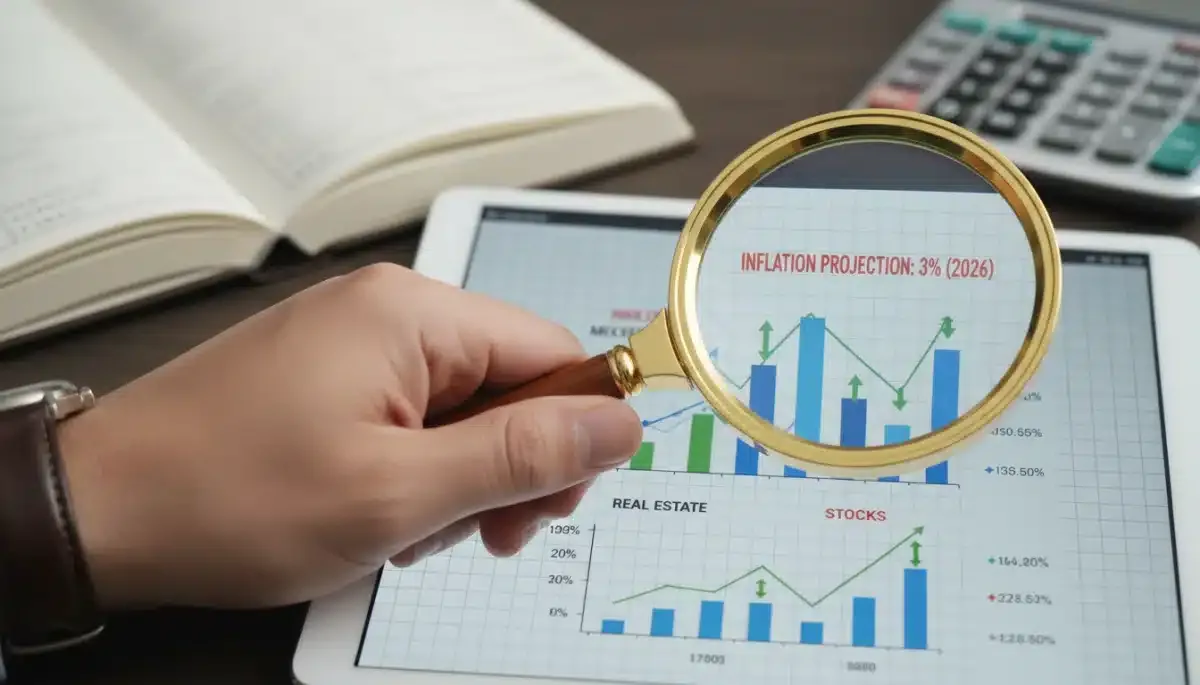
Current economic models and expert consensus largely point towards an inflation rate around the 3% mark, a figure that, while manageable, necessitates careful financial considerations.
Anúncios
This projected rate stems from a combination of factors, including global supply chain adjustments, evolving consumer demand patterns, and the ongoing recalibration of monetary policies.
For individuals, this translates into a tangible erosion of purchasing power if not addressed through strategic financial planning.
Monitoring economic indicators and official statements from institutions like the Federal Reserve will be crucial in understanding how these projections might shift. Adaptability in financial planning will be a key asset for individuals and families preparing for 2026.
The Impact of 3% Inflation on Households
A sustained 3% inflation rate means that goods and services costing $100 today would cost approximately $103 in 2026.
While seemingly small, this annual erosion compounds over time, significantly impacting long-term savings and retirement funds if not adequately protected.
Everyday expenses, from groceries to gasoline, are subject to these price increases, forcing households to adjust their budgets and spending habits. The challenge lies in maintaining a consistent standard of living without depleting savings or accumulating excessive debt.
Effective Financial Planning Inflation 2026 requires a clear understanding of how these rising costs will affect personal finances. It is about more than just budgeting; it involves strategic asset allocation and income generation.
Anúncios

Key Economic Indicators to Watch
- Consumer Price Index (CPI): This index measures the average change over time in the prices paid by urban consumers for a market basket of consumer goods and services. It is a primary gauge of inflation.
- Producer Price Index (PPI): The PPI measures the average change over time in the selling prices received by domestic producers for their output. It often provides an early indication of future consumer inflation.
- Federal Funds Rate: The target interest rate set by the Federal Open Market Committee (FOMC) of the Federal Reserve. Changes in this rate influence borrowing costs and can impact inflation.
- Wage Growth Data: Healthy wage growth can offset some inflationary pressures, but excessive wage growth can also contribute to a wage-price spiral.
Diversifying Your Investment Portfolio
One of the most effective strategies for Financial Planning for Inflation 2026 is to diversify investment portfolios. Traditional savings accounts often yield returns that are outpaced by inflation, leading to a net loss in purchasing power over time.
By allocating investments across various asset classes, individuals can create a portfolio designed to perform well even during inflationary periods. The goal is to select assets that historically either appreciate faster than inflation or offer inflation-indexed returns.
This approach requires careful research and, for many, the guidance of a financial advisor to ensure the portfolio aligns with individual risk tolerance and long-term financial objectives.
Real Estate as an Inflation Hedge
Real estate has long been considered a strong hedge against inflation. Property values and rental incomes often increase in line with or even exceed inflation, making it an attractive asset class for protecting purchasing power. This is particularly true for income-generating properties.
Investing in real estate, whether directly through property ownership or indirectly through Real Estate Investment Trusts (REITs), can provide a tangible asset that tends to hold its value. However, it’s essential to consider market conditions, interest rates, and property taxes.
For those considering real estate, a thorough understanding of local market dynamics and potential future appreciation is critical. The long-term nature of real estate investments aligns well with mitigating sustained inflationary pressures.
Commodities and Inflation-Indexed Securities
Commodities such as gold, silver, oil, and agricultural products often perform well during inflationary periods because their prices rise directly with the cost of living. Investing in these assets, either directly or through exchange-traded funds (ETFs), can offer a protective layer against inflation.
Another powerful tool in Financial Planning Inflation 2026 is inflation-indexed securities, notably Treasury Inflation-Protected Securities (TIPS). The principal value of TIPS adjusts with the Consumer Price Index, ensuring that your investment keeps pace with inflation.
These securities offer a guaranteed real return, making them a reliable option for those seeking to preserve capital and purchasing power. While their nominal returns might be lower than other investments, their inflation protection is invaluable.
Budgeting and Expense Management for 2026
Effective budgeting and meticulous expense management are foundational pillars of sound Financial Planning Inflation 2026.
As prices rise, understanding where your money goes and identifying areas for optimization becomes more critical than ever. A well-structured budget allows for proactive adjustments to maintain financial health.
This involves not just tracking spending but also critically evaluating recurring expenses and identifying opportunities to reduce costs. Small, consistent adjustments can yield significant savings over time, helping to offset the impact of inflation on household budgets.
Regularly reviewing and updating your budget ensures it remains aligned with current economic realities and personal financial goals. This active management is key to navigating the inflationary environment of 2026.
Streamlining Household Expenses
One immediate step for individuals is to conduct a thorough review of all recurring household expenses. Subscriptions, utility bills, and discretionary spending often present opportunities for cost reduction without significantly impacting quality of life.
Negotiating with service providers, seeking out more competitive rates, or consolidating services can free up valuable funds. These savings can then be redirected towards investments that offer inflation protection or bolster emergency funds.
The goal is to create a lean and efficient spending plan that maximizes every dollar. This financial discipline is a cornerstone of effective Financial Planning Inflation 2026.
Strategic Debt Management
- Prioritize High-Interest Debt: High-interest debts, such as credit card balances, become even more burdensome during inflationary periods as the real cost of repayment increases. Prioritize paying these down aggressively.
- Consider Fixed-Rate Loans: If contemplating new debt, fixed-rate loans offer predictability, protecting you from potential interest rate hikes that often accompany efforts to combat inflation.
- Avoid Unnecessary Debt: In an inflationary environment, accumulating new debt for non-essential items can quickly erode financial stability. Exercise caution and consider the long-term implications.
Income Generation and Career Development
Beyond managing expenses and investments, enhancing income generation is a powerful strategy for Financial Planning for Inflation 2026. A higher income stream provides a larger buffer against rising costs and can accelerate the growth of savings and investments.
This can involve various approaches, from seeking promotions and salary increases in current roles to exploring supplementary income sources or even starting a side business. Continuous skill development is also vital to remain competitive in the job market.
By actively pursuing opportunities to increase income, individuals can not only offset inflation but also improve their overall financial standing. This proactive stance is essential for long-term financial security.
Negotiating Salary and Benefits
In an inflationary environment, regular salary reviews and negotiations become more important than ever. Employees should be prepared to articulate their value and demonstrate how their contributions warrant increased compensation that keeps pace with the cost of living.
Beyond base salary, consider negotiating for inflation-adjusted benefits or bonuses that can help maintain purchasing power. Researching industry averages and demonstrating strong performance are key to successful negotiations.
This proactive approach to career development is a direct way to combat the effects of inflation on personal finances. It is a fundamental component of effective Financial Planning Inflation 2026.
Exploring Supplementary Income Streams
- Freelancing and Gig Economy: Leverage existing skills or develop new ones to offer services on a freelance basis. Platforms like Upwork or Fiverr can connect you with clients seeking specific expertise.
- Passive Income Investments: Explore opportunities that generate income with minimal ongoing effort, such as dividend stocks, rental properties (if feasible), or high-yield savings accounts, though the latter often struggle to beat inflation.
- Skill Development and Certification: Invest in courses or certifications that enhance your professional value, opening doors to higher-paying roles or new career opportunities.
Protecting Retirement Savings and Long-Term Goals
The impact of inflation on retirement savings and long-term financial goals cannot be overstated. A 3% inflation rate, compounded over decades, can significantly reduce the real value of accumulated wealth.
Therefore, strategic adjustments to retirement planning are crucial for Financial Planning Inflation 2026 and beyond.
This involves re-evaluating asset allocations within retirement accounts, such as 401(k)s and IRAs, to ensure they are adequately protected against inflationary pressures. It also means considering how future withdrawals will be affected by diminished purchasing power.
Proactive measures taken today can ensure that your retirement nest egg provides the lifestyle you envision in the future, despite economic fluctuations. This forward-thinking approach is fundamental.
Adjusting Retirement Portfolio Allocations
Reviewing and potentially adjusting the asset allocation within retirement accounts is a critical step. Historically, equities, particularly those of companies with pricing power, have offered a better hedge against inflation than fixed-income investments.
Consider increasing exposure to inflation-protected assets or sectors that tend to perform well during inflationary periods, such as energy, materials, and real estate. Diversification across these asset classes can help mitigate risk while preserving purchasing power.
Consulting with a financial advisor specializing in retirement planning can provide tailored guidance for your specific situation. This ensures your Financial Planning Inflation 2026 aligns with your long-term objectives.
Planning for Healthcare Costs in Retirement
Healthcare costs are a significant concern for retirees, and these expenses are particularly susceptible to inflation. Factoring in potential medical cost increases is an essential part of long-term financial planning.
Consider health savings accounts (HSAs) if eligible, as they offer a triple tax advantage and can be used to pay for qualified medical expenses in retirement. Researching long-term care insurance options can also provide a layer of protection against unforeseen costs.
By addressing these potential future expenses proactively, individuals can build a more resilient retirement plan. This foresight is vital for robust Financial Planning Inflation 2026 and beyond.
Leveraging Technology for Financial Management
In the modern financial landscape, technology offers powerful tools to enhance Financial Planning Inflation 2026.
From budgeting apps to investment platforms, digital solutions can provide real-time insights, automate savings, and facilitate informed decision-making.
These tools can help individuals track spending more accurately, identify patterns, and visualize the impact of inflation on their finances. They also offer convenient ways to manage diversified portfolios and stay updated on market trends.
Embracing financial technology can streamline the process of managing money, making it easier to implement and stick to anti-inflationary strategies. This digital advantage is a key component of contemporary financial planning.
Budgeting Apps and Expense Trackers
Numerous budgeting apps, such as Mint, YNAB (You Need A Budget), and Personal Capital, provide comprehensive tools for tracking income and expenses. These applications often categorize spending automatically, offering a clear picture of where money is going.
By integrating bank accounts and credit cards, these apps can provide real-time updates and generate reports that highlight areas for potential savings. This level of detail is invaluable for making informed adjustments to spending habits in an inflationary environment.
Utilizing these digital tools makes the budgeting process less cumbersome and more effective. It’s a practical step in strengthening your Financial Planning Inflation 2026 efforts.
Automated Investment Platforms
- Robo-Advisors: Platforms like Betterment and Wealthfront offer automated investment management based on your risk tolerance and financial goals. They often rebalance portfolios automatically, ensuring diversification and alignment with objectives.
- Fractional Share Investing: Many platforms now allow investing in fractional shares of expensive stocks, making it easier to build a diversified portfolio even with smaller amounts of capital.
- Automated Savings Transfers: Set up automatic transfers from your checking account to savings or investment accounts. This disciplined approach ensures consistent contributions, leveraging the power of dollar-cost averaging.

Seeking Professional Financial Advice
While self-education and personal research are valuable, the complexity of Financial Planning Inflation 2026 often warrants the expertise of a qualified financial advisor.
A professional can provide personalized guidance, tailor strategies to individual circumstances, and offer insights into market nuances.
Advisors can help assess risk tolerance, develop comprehensive financial plans, and recommend specific investment vehicles that align with inflation protection goals. Their experience and knowledge can be instrumental in navigating unpredictable economic conditions.
Choosing the right advisor, one who is fiduciary and acts in your best interest, is crucial. This partnership can significantly enhance the effectiveness of your financial planning efforts.
When to Consult a Financial Advisor
Consulting a financial advisor is particularly beneficial during significant life events, such as career changes, marriage, the birth of children, or nearing retirement. These junctures often require a re-evaluation of financial goals and strategies.
Moreover, if you find yourself overwhelmed by the complexities of investment options or uncertain about the best approaches to combat inflation, an advisor can provide clarity. Their objective perspective can help you make sound decisions without emotional bias.
For robust Financial Planning Inflation 2026, professional guidance can transform uncertainty into confidence, ensuring your plan is both comprehensive and resilient.
Benefits of a Fiduciary Advisor
- Acts in Your Best Interest: Fiduciary advisors are legally bound to act in their clients’ best financial interests, providing unbiased advice and recommendations.
- Comprehensive Planning: They offer holistic financial planning, covering investments, retirement, taxes, estate planning, and insurance, all tailored to your specific needs.
- Market Expertise: Fiduciaries stay abreast of market trends, economic forecasts, and regulatory changes, providing informed guidance to protect and grow your wealth.
Inflation-Proofing Your Lifestyle and Spending
Beyond investments and budgeting, a crucial aspect of Financial Planning Inflation 2026 involves actively inflation-proofing your lifestyle and spending habits.
This means making conscious choices that reduce your vulnerability to rising prices and seeking value in everyday purchases.
It’s about adopting a mindset of resourcefulness and efficiency, finding ways to stretch your dollar further without sacrificing quality of life. This can involve everything from smart shopping to energy conservation, directly impacting your bottom line.
By embedding these practices into your daily life, you create an additional layer of protection against the erosion of purchasing power. This proactive approach ensures sustainable financial health.
Smart Shopping and Bulk Buying
Strategic shopping can significantly mitigate the effects of inflation. This includes planning meals, making shopping lists, and buying non-perishable goods in bulk when prices are favorable. Utilizing coupons, loyalty programs, and sales events can also yield substantial savings.
Comparing prices across different retailers, both online and in-store, ensures you are always getting the best value. Avoiding impulse purchases and sticking to essential items are fundamental practices in an inflationary environment.
These disciplined shopping habits are small but impactful components of effective Financial Planning Inflation 2026, contributing to overall financial resilience.
Reducing Energy Consumption and Utility Costs
- Energy-Efficient Appliances: Investing in energy-efficient appliances can lead to long-term savings on utility bills, offsetting rising energy costs.
- Home Insulation and Sealing: Improving home insulation and sealing drafts can significantly reduce heating and cooling expenses, making your home more energy-efficient.
- Mindful Usage: Simple habits like turning off lights, unplugging unused electronics, and adjusting thermostats can collectively lead to noticeable reductions in utility consumption.
Government Policies and Their Influence
Government policies play a pivotal role in shaping the economic environment and influencing inflation rates. Understanding the potential impact of fiscal and monetary decisions is essential for informed Financial Planning for Inflation 2026.
Central banks, like the Federal Reserve, utilize tools such as interest rate adjustments and quantitative easing/tightening to manage the money supply and control inflation. Government spending and taxation policies also exert significant influence on economic growth and price stability.
Staying informed about these policy developments allows individuals to anticipate potential economic shifts and adjust their financial strategies accordingly. This awareness is a critical component of proactive financial management.
Federal Reserve’s Role in Inflation Control
The Federal Reserve’s primary mandate includes maintaining price stability, which directly relates to controlling inflation.
Their decisions on the federal funds rate directly impact borrowing costs for consumers and businesses, influencing economic activity and inflationary pressures.
As 2026 approaches, the Fed’s stance on monetary policy will be a key determinant of the inflation outlook. Monitoring their communications and meeting minutes can provide valuable insights into future economic conditions.
These policy decisions have far-reaching implications for investments, savings, and overall purchasing power, making them central to effective Financial Planning for Inflation 2026.
Impact of Fiscal Policies on Inflation
- Government Spending: Large government spending programs can inject significant capital into the economy, potentially stimulating demand and contributing to inflationary pressures if not managed carefully.
- Taxation: Changes in tax policies can affect disposable income and corporate profits, influencing consumer spending and investment, which in turn can impact inflation.
- Supply-Side Policies: Policies aimed at improving productivity, reducing regulatory burdens, or investing in infrastructure can enhance supply, potentially mitigating long-term inflationary pressures.
| Key Strategy | Benefit for 2026 Inflation |
|---|---|
| Diversified Investments | Protects capital by allocating across assets that perform well during inflation, like real estate and commodities. |
| Proactive Budgeting | Manages rising costs, identifies savings, and ensures expenses align with income, preserving purchasing power. |
| Income Enhancement | Increases earnings to outpace inflation, providing a stronger financial buffer against rising prices. |
| Professional Guidance | Offers tailored advice and expert insights to navigate complex financial decisions and optimize inflation strategies. |
Frequently Asked Questions About 2026 Inflation Planning
What is the primary concern for financial planning in 2026?▼The primary concern for financial planning in 2026 is managing the impact of a projected 3% inflation rate on purchasing power and investment returns. This necessitates proactive strategies to ensure that savings and income keep pace with rising costs.
How can investments protect against inflation?▼Investments can protect against inflation by focusing on assets that historically appreciate with rising prices, such as real estate, commodities, and inflation-indexed securities like TIPS. Diversification across these asset classes is key to mitigating risk.
What role does budgeting play in combating inflation for 2026?▼Budgeting plays a crucial role by allowing individuals to track expenses, identify areas for cost reduction, and make informed adjustments to their spending habits. This helps to offset the impact of rising prices on household finances and preserve purchasing power.
Should I seek professional advice for Financial Planning Inflation 2026?▼Yes, seeking professional financial advice is highly recommended, especially given the complexities of inflation management. A qualified fiduciary advisor can provide personalized strategies, assess risk, and guide investment decisions to protect your wealth effectively.
Are there lifestyle changes that can help with inflation?▼Absolutely. Lifestyle changes like smart shopping, bulk buying, reducing energy consumption, and actively managing debt can significantly help. These practices reduce vulnerability to rising costs and contribute to overall financial resilience against inflation.
Looking Ahead
The imperative for robust Financial Planning for Inflation 2026 is clear, with a 3% inflation projection serving as a call to action for consumers and investors.
The strategies outlined, from diversified investments to proactive budgeting and income generation, provide a comprehensive framework for safeguarding financial well-being.
As economic conditions evolve, continuous monitoring of market trends and government policies will be essential. The ability to adapt and implement informed decisions will be the cornerstone of maintaining purchasing power and achieving long-term financial security.
Empowering yourself with knowledge and seeking expert guidance when needed will ensure that your financial future remains resilient in the face of inflationary pressures. The time to act is now, setting the stage for a stable 2026 and beyond.