Consumer Advocate Groups Report a 10% Rise in Product Quality ComplaintsProduct Quality Complaints
Anúncios
Shopping for reliable goods shouldn’t feel like a gamble, yet the data suggests a growing frustration in the American marketplace. Recent reports highlight a concerning 10% surge in product quality complaints during the final quarter of 2025, signaling a potential dip in manufacturing excellence.
This sudden spike in manufacturing flaws has caught the attention of federal regulators and industry watchdogs alike. As consumer advocacy groups sound the alarm, the focus shifts to whether these defective goods are a temporary glitch or a sign of deeper systemic failures.
For the modern shopper, these buyer grievances serve as a crucial warning to stay vigilant about brand reliability and warranty protections. We’ve distilled the essential facts and expert insights to help you navigate this changing landscape of consumer expectations.
Understanding the Surge in Product Quality Complaints
Consumer advocate groups report a 10% rise in product quality complaints in the last 3 months of 2025, marking a significant increase that demands immediate attention.
This surge is not merely a statistical anomaly but reflects deeper systemic issues within product manufacturing and quality control.
Anúncios
The data compiled by various consumer advocacy organizations across the United States points to a broad spectrum of products experiencing these issues, from electronics to household appliances and even apparel.
This widespread problem suggests a potential shift in industry standards or a decline in rigorous quality assurance practices.
This rise in product quality complaints could have far-reaching implications for both consumers and businesses, affecting purchasing decisions, brand loyalty, and market competitiveness.
Understanding the root causes of these complaints is crucial for developing effective solutions and restoring consumer confidence.
Key Sectors Affected by Rising Complaints
The increase in product quality complaints is not isolated to one industry but spans several key sectors. Electronics, particularly smartphones and smart home devices, have seen a notable uptick in reported malfunctions and premature failures.
Similarly, the automotive industry continues to grapple with various manufacturing defects, leading to numerous recalls and consumer dissatisfaction.
Apparel and textiles also contribute significantly to the rising numbers, with complaints ranging from poor stitching to materials that fail after minimal use.
Anúncios
These widespread issues suggest that companies across different industries may be facing similar pressures, possibly related to supply chain disruptions, cost-cutting measures, or rapid production cycles that compromise quality.
Factors Contributing to Declining Product Quality
Several factors are believed to be contributing to the observed decline in product quality and the subsequent rise in product quality complaints. Global supply chain complexities often lead to reliance on diverse suppliers, making consistent quality control more challenging.
The push for faster product development cycles to meet market demand can sometimes result in inadequate testing and rushed production.
Furthermore, increased pressure to reduce manufacturing costs may lead companies to use cheaper materials or less stringent quality assurance processes.
These combined pressures create an environment where product defects are more likely to occur, ultimately impacting consumer satisfaction and trust.
The Role of Consumer Advocate Groups
Consumer advocate groups play a pivotal role in identifying, documenting, and reporting instances with product quality complaints.
These organizations act as a crucial bridge between frustrated consumers and often unresponsive corporations, amplifying individual voices into a collective call for change.
Their efforts go beyond mere complaint collection; they analyze trends, conduct independent investigations, and lobby for stronger consumer protection laws.
Without these groups, many individual consumer issues might remain unheard, perpetuating cycles of poor product quality and consumer dissatisfaction.
The recent report underscores their indispensable contribution to market transparency and accountability, pushing industries to uphold higher standards of quality and ethical practices.

Mechanisms for Reporting and Tracking Complaints
Consumer advocate groups utilize various mechanisms to collect and track product quality complaints effectively. Online portals and dedicated hotlines provide consumers with accessible platforms to submit detailed reports about faulty products.
These organizations also engage in social media monitoring and direct outreach to gather information and identify emerging trends. Sophisticated databases allow them to categorize complaints by product type, manufacturer, and specific defect, enabling comprehensive analysis.
This systematic approach ensures that the data collected is robust and representative, providing a clear picture of the landscape of product quality issues.
Advocacy in Action: Past Successes and Current Initiatives
Historically, consumer advocate groups have been instrumental in numerous victories for consumer rights, from advocating for safer vehicle standards to pushing for clearer food labeling.
Their persistent efforts have led to significant policy changes and improved product safety regulations.
Currently, these groups are launching new initiatives aimed at addressing the rise in product quality complaints, including public awareness campaigns and direct engagement with manufacturers.
They are also collaborating with regulatory bodies to explore new enforcement mechanisms and ensure compliance with existing standards.
These ongoing endeavors highlight their commitment to protecting consumers and driving positive change in the marketplace.
Economic Implications for Businesses and Consumers
The fact that consumer advocate groups report a rise inproduct quality complaints carries substantial economic implications for both businesses and consumers.
For companies, a decline in product quality can lead to increased warranty claims, product recalls, and significant reputational damage, all of which translate into financial losses.
Consumers, on the other hand, face the burden of purchasing defective goods, incurring repair costs, or needing to replace items prematurely. This can erode household budgets and foster a sense of distrust in brands, ultimately affecting purchasing patterns and market dynamics.
The cumulative effect of these issues can slow economic growth by reducing consumer spending and undermining business profitability, making it a critical concern for economic stability.
Impact on Brand Reputation and Customer Loyalty
A consistent rise in product quality complaints can severely damage a brand’s reputation, which is often built over years of consistent performance and customer satisfaction.
Negative reviews and word-of-mouth can spread rapidly, especially in the age of social media, making it difficult for brands to recover.
Customer loyalty is also directly affected; consumers are less likely to repurchase from brands that have previously delivered subpar products. This erosion of trust can lead to a loss of market share and a decline in sales, impacting a company’s long-term viability.
Rebuilding trust requires significant investment in quality improvement, transparent communication, and effective complaint resolution, underscoring the high cost of failing to maintain product standards.
Financial Costs of Recalls and Returns
Product recalls and returns represent a substantial financial burden for businesses. The costs associated with recalling defective products include logistics, disposal, and often, the manufacturing of replacement units.
Each recall can run into millions of dollars, depending on the scale and severity of the defect.
Similarly, processing returns due to poor quality incurs expenses related to shipping, handling, inspection, and restocking. These operational costs can significantly impact a company’s profit margins, especially for businesses operating on tight financial constraints.
The financial strain from these issues highlights the critical importance of proactive quality control measures to prevent defects before they reach the consumer.
Regulatory Responses and Industry Standards
In response to the alarming trend where consumer advocate groups report product quality complaints, regulatory bodies are under increasing pressure to act.
Governments and consumer protection agencies are reviewing existing regulations and considering new measures to ensure product quality and safety.
This includes potentially tightening manufacturing standards, increasing oversight, and imposing stricter penalties for non-compliance. Industry associations are also being called upon to update their best practices and encourage members to adopt more rigorous quality control protocols.
The collective aim is to create a more robust framework that protects consumers and holds manufacturers accountable for the quality of their products.
Potential Legislative Changes
The significant rise in product quality complaints could serve as a catalyst for new legislative changes aimed at enhancing consumer protection.
Lawmakers might introduce bills that mandate more transparent reporting of product defects, making it easier for consumers to identify problematic items.
There could also be proposals to increase the liability of manufacturers for faulty products, compelling them to invest more in quality assurance. Additionally, legislation might focus on strengthening the powers of regulatory agencies to conduct more frequent inspections and enforce compliance.
These potential changes would aim to create a more secure marketplace for consumers and incentivize businesses to prioritize quality.
Industry Best Practices for Quality Assurance
To combat the rise in product quality complaints, industries are being urged to re-evaluate and enhance their quality assurance best practices. This includes implementing more comprehensive testing protocols at various stages of production, from raw materials to finished goods.
Adopting advanced technologies like AI-powered inspection systems and predictive analytics can help identify potential defects early in the manufacturing process.
Furthermore, fostering a culture of quality within organizations, where every employee is responsible for upholding standards, is crucial.
By proactively investing in robust quality assurance, businesses can mitigate risks, reduce costs associated with defects, and ultimately build stronger consumer trust.

Consumer Empowerment and Awareness
The report indicating product quality complaints also highlights the growing importance of consumer empowerment and awareness. Informed consumers are better equipped to identify defective products, understand their rights, and take appropriate action when issues arise.
Consumer advocate groups and regulatory bodies are actively working to educate the public on how to report complaints effectively and what recourse options are available.
This increased awareness not only helps individual consumers but also contributes to a larger dataset that can drive systemic change.
Empowering consumers with knowledge and tools is a crucial step towards fostering a market where quality is prioritized and accountability is upheld.
Tips for Identifying and Reporting Faulty Products
Consumers can play an active role in addressing the issue of declining product quality by being vigilant and knowing how to report faulty products. It is important to inspect products thoroughly upon purchase and retain all receipts and warranty information.
Documenting any defects with photos or videos can strengthen a complaint. When a product fails, consumers should first contact the retailer or manufacturer directly, clearly stating the issue and requesting a resolution.
If a satisfactory resolution is not achieved, reporting the issue to consumer advocate groups or relevant government agencies is the next crucial step. This collective reporting helps build a comprehensive picture of market quality issues.
Consumer Rights and Recourse Options
Understanding consumer rights is essential for effective recourse when faced with faulty products.
In the United States, consumers are generally protected by implied warranties of merchantability and fitness for a particular purpose, ensuring products are fit for their ordinary use and any specific purpose communicated to the seller.
Consumers have the right to request repairs, replacements, or refunds for defective goods, depending on the nature of the defect and the terms of sale. Small claims courts, mediation services, and arbitration can also provide avenues for dispute resolution when direct negotiations fail.
Familiarizing oneself with these rights and options empowers consumers to seek appropriate remedies and hold businesses accountable for product quality.
Technological Solutions for Quality Control
As product quality complaints rise, the manufacturing sector is increasingly turning to technological solutions to bolster quality control. Advanced technologies offer unprecedented capabilities for detecting defects early, streamlining processes, and ensuring higher product standards.
From artificial intelligence and machine learning to IoT sensors and robotic automation, these innovations are revolutionizing how products are inspected and verified. Integrating these tools can significantly reduce human error and improve the consistency of quality checks across production lines.
Investing in these technologies is becoming a necessity for businesses aiming to remain competitive and rebuild consumer trust in an increasingly critical market.
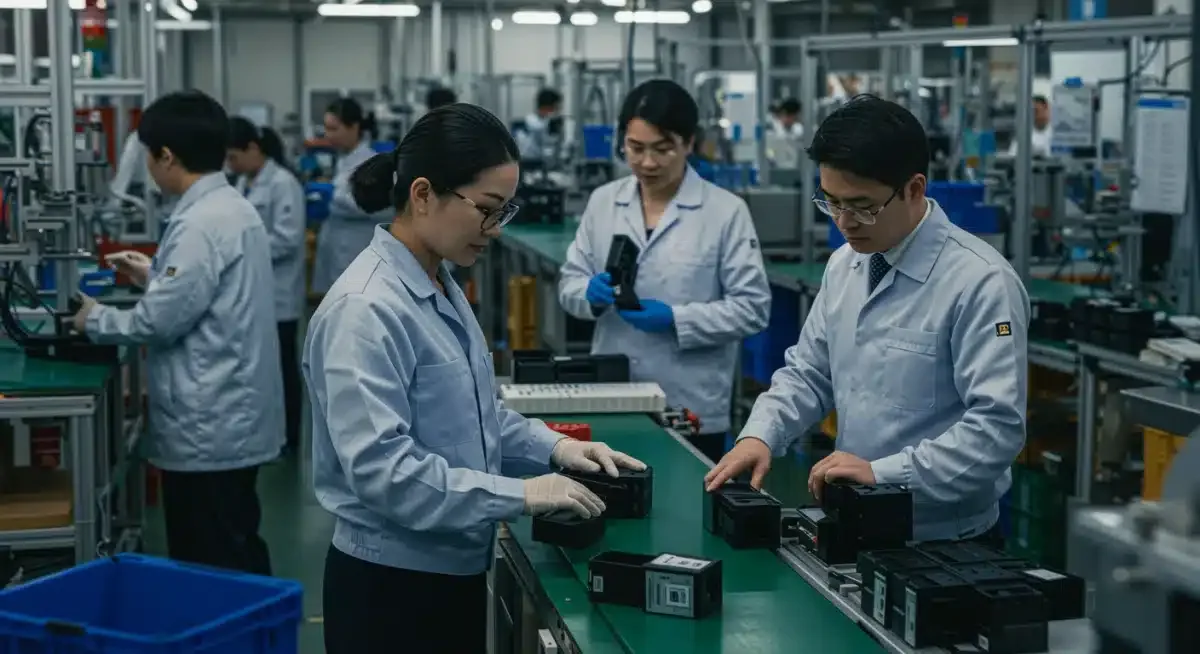
AI and Machine Learning in Manufacturing
Artificial intelligence (AI) and machine learning (ML) are transforming quality control in manufacturing by enabling more precise and efficient defect detection.
AI-powered vision systems can rapidly scan products for imperfections that might be missed by the human eye, operating with consistent accuracy.
ML algorithms can analyze vast amounts of production data to identify patterns and predict potential quality issues before they even occur, allowing for proactive adjustments. This predictive capability helps prevent widespread defects, saving companies significant costs associated with recalls and returns.
By leveraging AI and ML, manufacturers can achieve superior product quality and reduce the number of product quality complaints.
IoT and Real-time Monitoring
The Internet of Things (IoT) plays a crucial role in enhancing quality control through real-time monitoring of manufacturing processes.
Sensors embedded in machinery and products can collect data on various parameters, such as temperature, pressure, and vibration, providing continuous insights into production conditions.
This real-time data allows for immediate detection of anomalies that could indicate a potential defect, enabling operators to intervene promptly. By continuously monitoring production, manufacturers can ensure that each product meets precise specifications and quality standards.
IoT integration helps prevent the production of faulty batches, thereby reducing the incidence of product quality complaints.
Future Outlook for Product Quality
The current trend where consumer advocate groups report product quality complaints suggests a critical juncture for the manufacturing industry. The future outlook for product quality depends heavily on how businesses, regulators, and consumers respond to these challenges.
There is a clear imperative for manufacturers to re-prioritize quality assurance, invest in advanced technologies, and adopt more transparent practices. Regulatory bodies must continue to strengthen enforcement and adapt policies to new market realities.
Ultimately, a collaborative approach that fosters accountability and transparency across the entire product lifecycle will be essential to reverse this trend and build a more trustworthy marketplace for all.
Anticipated Industry Changes
In anticipation of further scrutiny and consumer demands, several industry changes are expected to take shape.
Manufacturers are likely to increase their investment in research and development to create more durable and reliable products, potentially leading to higher production costs but also higher consumer satisfaction.
Supply chain management will become even more critical, with companies focusing on diversifying suppliers and implementing stricter quality audits for their components.
Furthermore, there might be a greater emphasis on sustainable manufacturing practices, which often align with higher quality standards.
These shifts aim to not only address current product quality complaints but also to build resilience against future quality challenges.
The Evolving Landscape of Consumer Expectations
Consumer expectations regarding product quality are continually evolving, driven by access to information and a growing awareness of their rights.
Consumers today are more discerning and less tolerant of substandard products, expecting goods to be durable, reliable, and perform as advertised.
The ease of sharing experiences through social media means that brands are under constant public scrutiny, making quality a non-negotiable aspect of their offering.
This evolving landscape compels businesses to not only meet but exceed consumer expectations to maintain their competitive edge and ensure long-term success.
Failing to adapt to these heightened expectations will likely result in continued product quality complaints and a decline in market share.
| Key Finding | Impact Summary |
|---|---|
| 10% Rise in Complaints | Significant increase in consumer reports on faulty products across multiple sectors. |
| Broad Sector Impact | Electronics, automotive, and apparel sectors show notable declines in product quality. |
| Economic Consequences | Increased recalls, returns, and damaged brand reputation for businesses; financial burden for consumers. |
| Call for Action | Regulators and industries urged to enhance quality control and consumer protection measures. |
Frequently Asked Questions About Product Quality Complaints
What does the 10% rise in product quality complaints signify?▼The 10% rise indicates a significant and concerning trend of declining product reliability and durability. It suggests potential issues in manufacturing processes, supply chain management, or a general reduction in quality standards across various industries, impacting consumer trust and satisfaction.
Which product categories are most affected by this increase?▼While the rise is broad, reports highlight electronics, automotive components, and apparel as particularly affected. Complaints range from premature failure in gadgets to manufacturing defects in vehicles and poor material quality in clothing, signaling widespread issues that cross industry lines.
How do consumer advocate groups help address these complaints?▼Consumer advocate groups collect, analyze, and report complaints, providing a collective voice for consumers. They engage with manufacturers and regulators, push for policy changes, and educate the public on their rights, playing a crucial role in holding businesses accountable for product quality.
What are the economic consequences for businesses facing these complaints?▼Businesses face substantial economic consequences including increased costs from product recalls, warranty claims, and returns. More importantly, they risk severe damage to their brand reputation and customer loyalty, leading to lost sales and market share, which impacts long-term profitability and growth.
What can consumers do if they encounter a faulty product?▼Consumers should first document the defect and contact the retailer or manufacturer for a resolution. If unsatisfied, they should report the issue to consumer advocate groups or relevant government agencies. Understanding consumer rights regarding repairs, replacements, or refunds is also vital for effective recourse.
What this means
The report from product quality complaints signals a crucial turning point for both consumers and industries. This trend underscores an urgent need for enhanced quality control measures and greater transparency in manufacturing.
Consumers are becoming more vocal and informed, driving a demand for higher standards. Moving forward, businesses that prioritize robust quality assurance and responsive customer service will be better positioned to build trust and thrive in this evolving market landscape.