Regulatory Review: Changes to Product Labeling Requirements Coming in Q3 2026
Anúncios
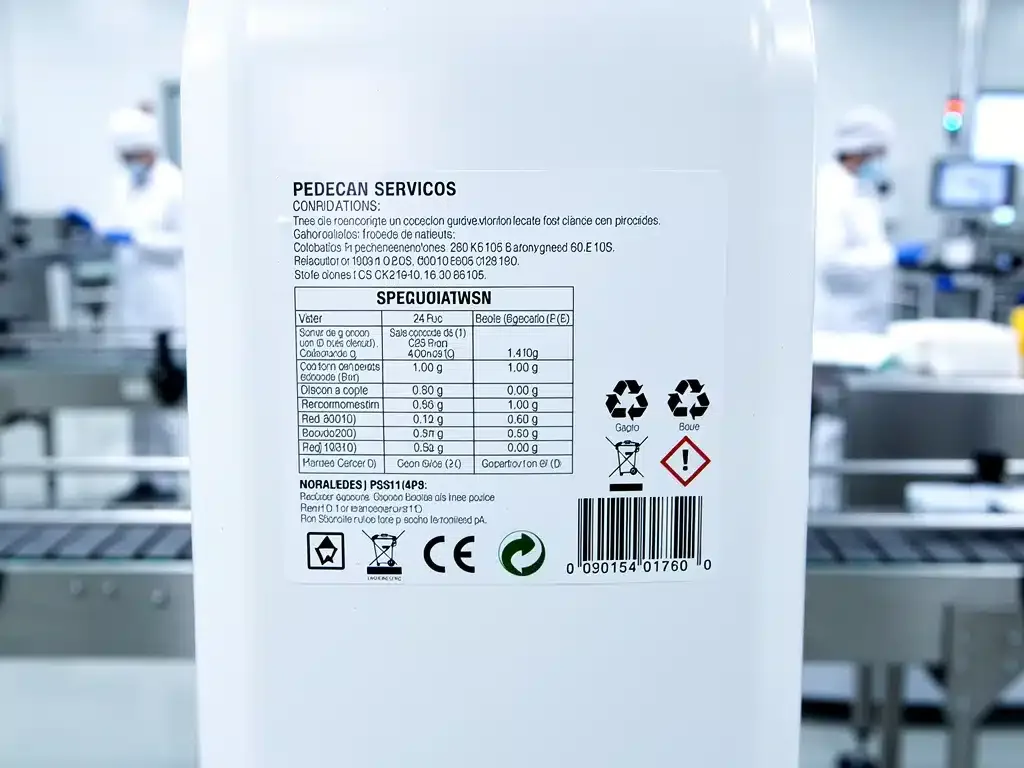
Major shifts are coming to commercial packaging as new federal regulations take effect in Q3 2026. Adapting to updated product labeling standards is no longer optional—it is a critical requirement for maintaining market access and consumer trust.
From revised ingredient declarations and origin disclosures to stricter compliance metrics, regulatory bodies are overhauling package design requirements. Preparing your operational supply chain now prevents costly penalties and expensive inventory delays down the line.
Navigating these regulatory updates does not have to disrupt your business operations. Here is what every manufacturer, brand manager, and distributor needs to know to stay fully compliant through Q3 2026.
Understanding the Scope of New Product Labeling Requirements
The upcoming product labeling encompasses a broad spectrum of industries, intending to create a more uniform and accessible labeling landscape.
This move is driven by a desire to empower consumers with better information, enabling more informed purchasing decisions and fostering greater trust in products.
Anúncios
Initial drafts of the regulations suggest a focus on clear, unambiguous language and standardized iconography. This standardization aims to reduce confusion and ensure that critical information is easily digestible by diverse consumer groups, including those with limited literacy or language proficiency.
The review also considers the digital age, exploring how online product descriptions and e-commerce platforms will integrate with physical labeling requirements.
This holistic approach signals a significant regulatory evolution, moving beyond traditional packaging to encompass all consumer touchpoints.
Key Changes Expected in Q3 2026
Among the most anticipated changes are stricter guidelines for allergen declarations, clearer nutritional information, and expanded environmental impact disclosures. These updates reflect growing consumer concern over health, sustainability, and product safety.
For the food industry, this means a potential re-evaluation of ingredient sourcing and processing to meet new transparency standards.
Pharmaceutical companies will face enhanced requirements for dosage instructions, side effects, and drug interaction warnings, demanding meticulous attention to detail.
Furthermore, there will be a strong emphasis on the use of universally recognized symbols and a reduction in jargon. The goal is to make product labeling requirements more intuitive and less prone to misinterpretation, ensuring that consumers can quickly grasp essential information.
Anúncios
Enhanced Allergen and Nutritional Information
The product labeling will mandate more prominent and standardized allergen declarations. This aims to protect individuals with food sensitivities by making critical information impossible to miss, improving public health outcomes significantly.
Nutritional panels will also undergo revisions, with a focus on simplifying complex data into easily understandable formats. This includes clearer presentation of sugar content, saturated fats, and sodium levels, empowering consumers to make healthier choices.
- Mandatory bolding of common allergens.
- Standardized serving sizes across similar products.
- Simplified language for nutritional descriptors.
New Environmental and Sustainability Disclosures
Consumers are increasingly demanding transparency regarding a product’s environmental footprint. The new product labeling requirements will introduce guidelines for disclosing sustainability practices, such as recyclability, carbon footprint, and ethical sourcing.
This initiative will require companies to conduct thorough life cycle assessments of their products and supply chains.
Accurate and verifiable claims will be paramount, as regulators aim to combat greenwashing and promote genuine environmental responsibility, aligning with global sustainability goals.
Preparing Your Business for Regulatory Review: Changes to Product Labeling Requirements Coming in Q3 2026
Businesses should begin auditing their current labeling practices and supply chains immediately to identify potential gaps. Early preparation is key to a smooth transition and avoiding costly compliance failures when the new product labeling requirements take effect.
Engaging with legal and regulatory experts will be crucial to interpret the nuanced aspects of the new rules. This proactive approach allows companies to develop robust compliance strategies and implement necessary changes well in advance of the Q3 2026 deadline.
Investing in new labeling technologies and employee training programs will also be essential. Ensuring that production teams, marketing departments, and quality control personnel are fully aware of and equipped to handle the new product labeling requirements will minimize disruption.

Auditing Current Labeling Practices
A thorough internal audit of all existing product labels is the first critical step. This involves comparing current labels against the anticipated new product labeling requirements to pinpoint areas needing adjustment, ensuring no detail is overlooked.
Companies should review not only physical labels but also digital product information, including websites and e-commerce listings. Consistency across all platforms will be a key aspect of the new regulatory framework, demanding a unified approach to information dissemination.
- Identify discrepancies between current and proposed standards.
- Assess impact on product design and packaging.
- Document current labeling processes and procedures.
Engaging with Regulatory Experts and Industry Associations
Consulting with legal professionals specializing in regulatory compliance is indispensable. These experts can provide tailored guidance, interpret complex legal texts, and help develop a strategic roadmap for adhering to the new product labeling requirements effectively.
Joining industry associations and participating in their discussions can also offer valuable insights and best practices.
These forums often provide early access to regulatory clarifications and allow for collaborative problem-solving among peers facing similar challenges, fostering a community of compliance.
Impact on Supply Chains and Manufacturing Processes
The product labeling will undoubtedly necessitate adjustments throughout the supply chain.
From raw material procurement to final product assembly, every stage may require modifications to meet the updated standards for product labeling requirements.
Manufacturers might need to re-evaluate their material suppliers to ensure full traceability and transparency of ingredients and components. This could lead to shifts in sourcing strategies, prioritizing partners who can provide detailed data required for new disclosures.
Furthermore, production lines may require retooling or software updates to accommodate new label designs, printing specifications, and data integration. The logistical implications of these changes must be carefully planned to avoid production delays and increased costs.
Consumer Benefits and Market Trust
The primary objective of the product labeling is to enhance consumer trust and provide clearer, more actionable information.
This benefits consumers directly by allowing them to make healthier, safer, and more ethical choices, aligning with their personal values.
For businesses, demonstrating compliance with these new product labeling requirements can serve as a significant competitive advantage.
Brands that proactively embrace transparency and clearly communicate product attributes are likely to build stronger relationships with their customer base, fostering long-term loyalty.
Ultimately, these regulations aim to elevate industry standards across the board. A more informed consumer base will drive demand for higher quality, more sustainable products, pushing the market towards greater innovation and responsibility, creating a positive feedback loop for all participants.
Potential Challenges and Mitigation Strategies
Implementing the new product labeling requirements will not be without its challenges. Businesses may face significant costs associated with redesigning packaging, updating systems, and retraining staff. Small and medium-sized enterprises (SMEs) might find these changes particularly burdensome.
Another potential hurdle is the interpretation of ambiguous clauses within the regulations. Regulators must provide clear guidance and FAQs to help companies navigate complex requirements. Consistent enforcement across different jurisdictions will also be crucial to ensure a level playing field.
To mitigate these challenges, companies should allocate sufficient budget and resources for compliance initiatives.
Developing a phased implementation plan, seeking early clarification on uncertain areas, and collaborating with industry peers can help alleviate some of the pressure of the new product labeling requirements.
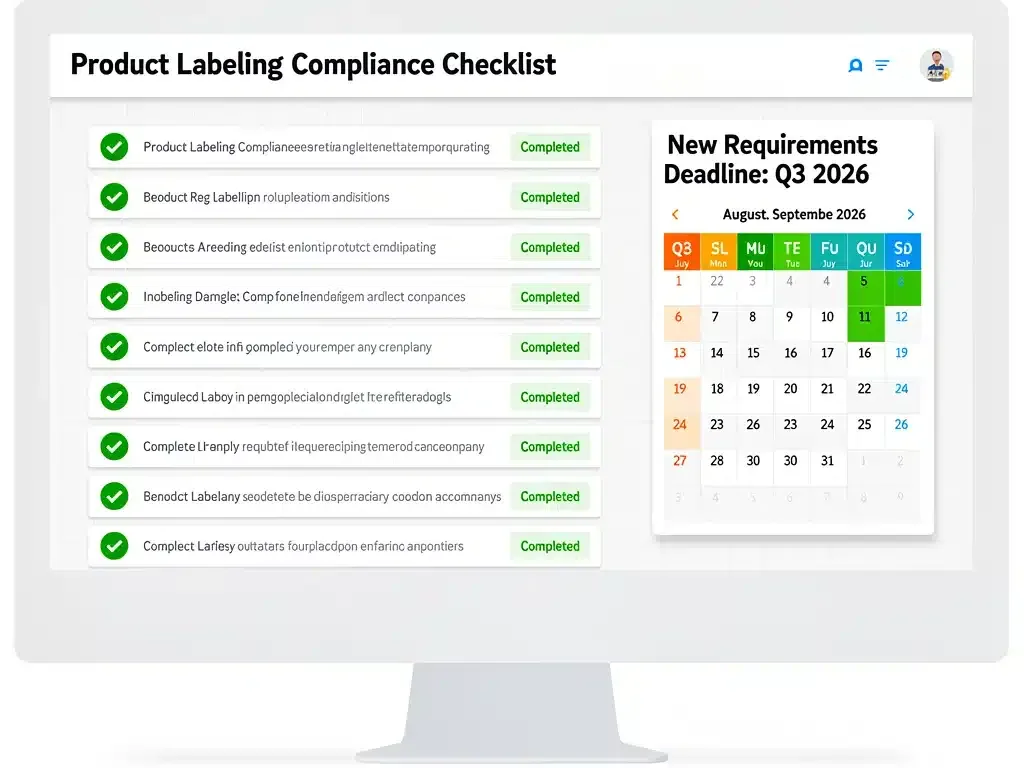
Cost Implications and Budgeting
The financial outlay for complying with the new product labeling requirements can be substantial, covering everything from new label printing plates to software upgrades and legal consultations.
Businesses must conduct a thorough cost analysis to allocate adequate funds and prevent unexpected expenditures.
Budgeting should account for both direct costs and potential indirect costs, such as temporary production slowdowns during transitions. Exploring government grants or subsidies for regulatory compliance, where available, could also help offset some of the financial burden for smaller entities.
- Allocate specific budget for label redesign and printing.
- Factor in costs for software updates and system integration.
- Consider potential legal and consulting fees.
Ensuring Data Accuracy and Traceability
The increased demand for detailed and verifiable product information means businesses must bolster their data management systems.
Ensuring the accuracy and traceability of every piece of information on a label, from origin to composition, is paramount under the new product labeling requirements.
Implementing robust quality control processes and investing in data analytics tools can help maintain high data integrity.
This not only aids compliance but also enhances operational efficiency and provides valuable insights into supply chain performance, creating a dual benefit for businesses.
The Role of Technology in Compliance
Technology will play a pivotal role in helping businesses meet the new product labeling requirements. Advanced labeling software, enterprise resource planning (ERP) systems, and blockchain solutions can streamline the compliance process, ensuring accuracy and efficiency.
Automated labeling systems can reduce human error and speed up the production of compliant packaging. Digital platforms for data management can centralize product information, making it easier to update and verify disclosures as required by the product labeling.
Blockchain technology offers an unprecedented level of transparency and traceability, allowing consumers to verify product claims with greater confidence. Adopting these technological solutions can turn a regulatory challenge into an opportunity for operational excellence and enhanced consumer trust.
| Key Point | Brief Description |
|---|---|
| Implementation Date | Q3 2026 marks the effective date for new product labeling requirements. |
| Core Objectives | Enhanced consumer protection, transparency, and data standardization. |
| Key Impact Areas | Food, pharmaceuticals, cosmetics, and general consumer goods sectors. |
| Business Preparation | Auditing, expert consultation, and technology integration are crucial for compliance. |
Frequently Asked Questions About Regulatory Review Changes
What is the primary goal of the Regulatory Review: Changes to Product Labeling Requirements Coming in Q3 2026?▼The main objective is to bolster consumer protection by mandating clearer, more standardized, and comprehensive product information. This ensures consumers can make well-informed decisions regarding their purchases, fostering greater trust in brands and the market as a whole.
Which industries will be most affected by the new product labeling requirements?▼Industries such as food and beverages, pharmaceuticals, cosmetics, and general consumer goods are expected to experience the most significant impact. These sectors typically have extensive labeling requirements, which will undergo substantial revisions under the new regulations.
What are the biggest challenges businesses might face with these changes?▼Businesses may encounter challenges related to increased operational costs for redesigning labels, updating manufacturing processes, and investing in new compliance technologies. Interpreting complex regulatory language and ensuring data accuracy across supply chains will also be critical hurdles.
How can businesses best prepare for the Q3 2026 deadline?▼Effective preparation involves conducting thorough internal audits of current labeling practices, engaging with legal and regulatory experts, and investing in new technologies to streamline compliance processes. Proactive planning and employee training are also essential steps.
Will the new product labeling requirements apply to online product descriptions as well?▼Yes, the regulatory review is expected to adopt a holistic approach, extending beyond physical labels to include digital product information on e-commerce platforms and company websites. Consistency across all consumer touchpoints will be a key aspect of the new compliance mandates.
What happens now
The impending product labeling signals a definitive move towards greater transparency and consumer empowerment. Businesses must view this not as a burden, but as an opportunity to enhance brand credibility and operational efficiency.
Proactive engagement with these new product labeling requirements, coupled with strategic investments in technology and expert guidance, will be paramount for navigating the transition successfully.
The landscape of product information is evolving, and adaptability will be the hallmark of successful enterprises.