Medicare Part B Premiums 2026: Financial Impact for Seniors
Anúncios
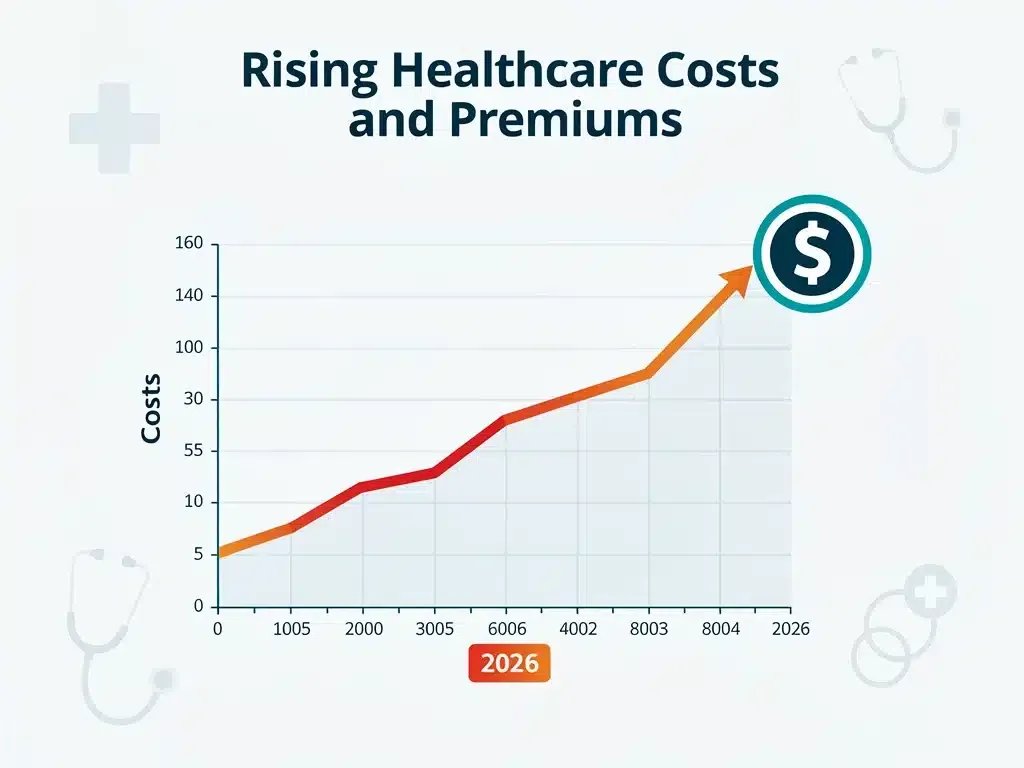
Medicare Part B costs increased in 2026, with the standard monthly premium rising to $202.90 from $185 in 2025. The annual deductible also increased by $26, reaching $283 for the year.
The higher costs matter because premiums are generally deducted from Social Security payments, while higher-income beneficiaries may pay additional IRMAA charges. People affected by a major income reduction can ask Social Security to reconsider that adjustment.
Beneficiaries should monitor annual Medicare notices, income thresholds, enrollment deadlines, and changes to their Medicare Advantage or supplemental coverage. Delaying Part B without qualifying coverage can create lasting penalties and possible gaps in healthcare protection.
Understanding the Core Changes to Medicare Part B Premiums in 2026
The Centers for Medicare & Medicaid Services (CMS) has indicated forthcoming adjustments to Medicare Part B premiums for 2026, impacting millions of seniors across the nation. These changes are primarily driven by evolving healthcare costs, utilization trends, and legislative mandates designed to ensure the program’s long-term solvency.
While specific figures are still being finalized, preliminary projections suggest a potential increase in the standard monthly premium. This adjustment reflects a combination of factors, including the rising cost of medical services, the introduction of new treatments, and the ongoing need to fund the program’s extensive benefits.
Anúncios
Seniors need to grasp that these premium changes are not arbitrary but are a result of complex actuarial calculations and economic forecasts.
The goal is to maintain the integrity of Medicare Part B while ensuring beneficiaries continue to receive essential medical services. Monitoring the Recent Changes to Medicare Part B Premiums in 2026: A Financial Impact Analysis for Seniors is crucial.
Factors Influencing Premium Adjustments

Several key factors contribute to the annual determination of Medicare Part B premiums. These include the previous year’s healthcare spending, projected future expenditures, and the overall financial health of the Medicare trust funds. Economic indicators, such as inflation and wage growth, also play a role in these calculations.
Legislation passed by Congress can also directly influence premium amounts, sometimes introducing new mechanisms for adjustment or placing limits on increases.
Understanding these underlying drivers helps illuminate why premiums fluctuate from year to year, providing context for the upcoming Medicare Part B Premiums in 2026.
- Healthcare utilization trends, including hospital stays and outpatient visits.
- The cost of prescription drugs covered under Part B, particularly high-cost specialty medications.
- Administrative costs associated with running the Medicare program.
- Changes in the Medicare population, such as enrollment growth and demographic shifts.
Projected Increases and Their Rationale
While official numbers are pending, analysts anticipate an increase in Medicare Part B premiums for 2026, consistent with historical trends in healthcare inflation. These projections are based on current economic models and an assessment of expected healthcare spending over the next few years.
The rationale behind any increase typically points to the need to cover the rising costs of medical care and ensure the sustainability of the Medicare program.
Anúncios
Maintaining a balance between affordability for beneficiaries and financial stability for the program is a constant challenge for policymakers. The Recent Changes to Medicare Part B Premiums in 2026: A Financial Impact Analysis for Seniors reflects this ongoing balancing act.
The adjustments are also influenced by the ‘hold harmless’ provision, which prevents Social Security benefit increases from being consumed by Medicare premium hikes for most beneficiaries. However, this provision does not apply to all enrollees, leading to varied impacts across different income levels.
Direct Financial Impact on Seniors: What to Expect
The most immediate and tangible effect of the Recent Changes to Medicare Part B Premiums in 2026 will be on seniors’ monthly budgets. An increase in premiums means less disposable income, potentially affecting other essential living expenses, from groceries to housing and transportation.
For those living on fixed incomes, even a modest increase can significantly impact their financial well-being. It necessitates a careful re-evaluation of personal budgets and a search for strategies to mitigate the additional financial burden. Preparing for Medicare Part B Premiums in 2026 is critical.
Understanding the potential magnitude of these changes allows seniors to start planning proactively, exploring options to offset increased costs. This proactive approach can help alleviate some of the stress associated with rising healthcare expenses. The financial impact of Medicare Part B Premiums in 2026 is a key concern.
Income-Related Monthly Adjustment Amounts (IRMAA)
Higher-income beneficiaries already pay Income-Related Monthly Adjustment Amounts (IRMAA) on top of their standard Part B premiums.
The thresholds for these adjustments are typically reviewed and updated annually, and any changes in 2026 could mean more seniors fall into higher IRMAA brackets or face larger surcharges.
IRMAA surcharges are determined by modified adjusted gross income (MAGI) reported two years prior. Therefore, beneficiaries should review their 2024 income to anticipate their potential IRMAA for 2026.
This forward-looking assessment is vital for accurate financial forecasting regarding Medicare Part B Premiums in 2026.
- Reviewing MAGI from two years prior to determine IRMAA bracket.
- Understanding how different income levels trigger varying surcharge amounts.
- Considering strategies to manage income to potentially reduce future IRMAA.
Budgeting for Increased Healthcare Costs
With the anticipated rise in Medicare Part B premiums, seniors must revisit and adjust their personal budgets. This involves allocating more funds towards healthcare expenses and potentially cutting back in other areas. Financial advisors often recommend creating a dedicated healthcare savings fund.
Exploring all available avenues for financial assistance, such as Medicare Savings Programs (MSPs) or other state-specific aid, can also be beneficial. These programs can help cover premiums, deductibles, or co-payments for eligible individuals. The financial impact of Medicare Part B Premiums in 2026 requires careful budgeting.
It is important to remember that Medicare Part B premiums are just one component of overall healthcare costs. Deductibles, co-insurance, and out-of-pocket expenses for services not fully covered also contribute to the total burden. A holistic view of healthcare spending is necessary.
Navigating the Changes: Resources and Support for Seniors
Given the complexity of Medicare and the ongoing adjustments, seniors have access to various resources and support systems to help them understand and manage the Recent Changes to Medicare Part B Premiums in 2026. These resources offer guidance, information, and practical assistance.
Organizations like the State Health Insurance Assistance Programs (SHIPs) provide free, unbiased counseling on Medicare-related issues. These programs are invaluable for beneficiaries seeking personalized advice on their specific circumstances. Utilizing these resources can make a significant difference.
Additionally, Medicare.gov, the official U.S. government site for Medicare, offers comprehensive information, tools, and updates. Regularly checking this platform ensures access to the most current and accurate details regarding Medicare Part B Premiums in 2026.
Official Sources for Up-to-Date Information
Staying informed directly from official channels is crucial to avoid misinformation and make sound decisions. The Centers for Medicare & Medicaid Services (CMS) is the primary source for all official announcements regarding Medicare Part B premiums and other program changes.
Beneficiaries should regularly consult the official Medicare website (Medicare.gov) and look for press releases or fact sheets issued by CMS. These documents provide the most accurate and timely information on premium adjustments, eligibility criteria, and enrollment periods. The official data on Medicare Part B Premiums in 2026 will be paramount.
Social Security Administration (SSA) also plays a vital role, as it is responsible for collecting Medicare premiums from most beneficiaries. Their website and local offices can provide information related to premium deductions from Social Security benefits.
Seeking Personalized Financial Advice
For many seniors, the financial implications of rising Medicare Part B premiums warrant personalized professional advice.
Financial planners specializing in retirement and elder care can offer tailored strategies to manage healthcare costs within an overall financial plan.
These professionals can help assess an individual’s unique financial situation, explore options like long-term care insurance, and advise on strategies to optimize income to minimize IRMAA.
Their expertise can be invaluable in navigating the complexities of the Recent Changes to Medicare Part B Premiums in 2026.
- Consulting with a certified financial planner or advisor specializing in senior finances.
- Exploring Medicare Advantage plans (Part C) as an alternative to Original Medicare, though careful comparison is necessary.
- Investigating eligibility for Medicare Savings Programs to help with premium costs.
Comparative Analysis: 2025 vs. 2026 Premium Projections
A comparative analysis between 2025 and 2026 premium projections for Medicare Part B reveals the trajectory of healthcare costs and the potential acceleration of financial burdens. While 2025 premiums have already been established, understanding their context helps set expectations for 2026.
Typically, premium increases are a consistent feature, reflecting ongoing inflation in medical services and pharmaceuticals. The rate of increase, however, can vary based on economic conditions and specific legislative actions taken in the preceding years. This comparison highlights the continuous evolution of Medicare Part B Premiums in 2026.
By examining the factors that influenced 2025 premiums, we can better anticipate the underlying drivers for the projected 2026 adjustments. This forward-looking perspective is crucial for seniors to adequately prepare for rising expenses. The Recent Changes to Medicare Part B Premiums in 2026 demand this foresight.
Historical Context of Premium Adjustments
Medicare Part B premiums have seen various adjustments over the years, influenced by a blend of economic, legislative, and healthcare-specific factors. Historically, increases have been common, though the rate of increase has fluctuated significantly depending on the prevailing circumstances.
Periods of high medical innovation or significant increases in drug costs have often correlated with steeper premium hikes. Conversely, legislative efforts to control healthcare spending have sometimes moderated these increases. Understanding this historical context provides a better lens through which to view Medicare Part B Premiums in 2026.
Analyzing past trends helps beneficiaries recognize patterns and anticipate future challenges, allowing for more informed financial planning. This historical perspective is essential for contextualizing the Recent Changes to Medicare Part B Premiums in 2026: A Financial Impact Analysis for Seniors.
Anticipated Rate of Increase for 2026
While definitive figures for 2026 Medicare Part B premiums are not yet released, early analyses and expert forecasts suggest a moderate to significant rate of increase. This projection takes into account current inflation rates, projected healthcare spending, and the financial outlook for the Medicare program.
The specific percentage increase will depend on the final actuarial reports and any policy decisions made by Congress or CMS in the coming months. Beneficiaries should monitor official announcements closely as they become available. The anticipated rate of increase for Medicare Part B Premiums in 2026 is a key area of concern.
It is important to differentiate between general inflation and medical inflation, which often runs higher. This disparity contributes to the upward pressure on healthcare costs and, consequently, on Medicare premiums. The Recent Changes to Medicare Part B Premiums in 2026 will reflect these underlying economic realities.
Legislative Landscape and Future Policy Considerations
The legislative landscape plays a significant role in shaping Medicare Part B premiums, with ongoing debates and potential reforms continuously influencing future costs. Policymakers are constantly evaluating the program’s sustainability and exploring ways to balance beneficiary affordability with fiscal responsibility.
Discussions around drug pricing, healthcare delivery models, and the overall funding of Medicare are central to these legislative considerations. Any major policy shifts could have profound implications for the structure and cost of Medicare Part B. The legislative environment directly impacts Medicare Part B Premiums in 2026.
Seniors should pay attention to congressional activities and proposals related to Medicare, as these can directly affect their future healthcare costs. The interplay between policy and economics is a critical aspect of the Recent Changes to Medicare Part B Premiums in 2026: A Financial Impact Analysis for Seniors.
Congressional Influence on Medicare Funding
Congress holds the ultimate authority over Medicare’s funding and structure. Legislative actions can introduce new benefits, modify existing ones, or alter the mechanisms by which premiums are calculated. These decisions can either alleviate or exacerbate the financial burden on beneficiaries.
Ongoing discussions about Medicare’s long-term solvency often involve proposals to adjust premiums, deductibles, or co-payments.
Advocacy groups for seniors actively engage in these debates, striving to protect beneficiaries from excessive cost increases. Congressional decisions will be pivotal for Medicare Part B Premiums in 2026.
- Proposals to cap out-of-pocket spending for Medicare beneficiaries.
- Debates over drug price negotiation and its potential impact on Part B costs.
- Consideration of changes to the ‘hold harmless’ provision.
Potential Reforms and Their Implications
Various reform proposals are regularly introduced to address the challenges facing Medicare. These range from minor adjustments to comprehensive overhauls, each with different implications for premiums and beneficiary costs. Understanding these potential reforms is key to anticipating future changes.
Some proposals focus on increasing program revenue, while others aim to control spending through efficiency improvements or benefit modifications. The outcome of these discussions will directly influence the financial landscape for seniors in the coming years. Potential reforms could significantly alter Medicare Part B Premiums in 2026.
The political climate and election cycles often impact the likelihood and timing of such reforms. Beneficiaries should remain aware of these broader political dynamics as they can indirectly affect the Recent Changes to Medicare Part B Premiums in 2026.
Strategies for Seniors to Mitigate Financial Impact
Amidst the Recent Changes to Medicare Part B Premiums in 2026, seniors have several strategies at their disposal to mitigate the financial impact. Proactive planning and informed decision-making are key to managing these rising healthcare costs effectively and maintaining financial stability.
Exploring all available avenues for assistance, optimizing current coverage, and making smart financial choices can significantly reduce the burden. These strategies aim to empower seniors to navigate the complex world of Medicare without undue financial stress. Mitigating the financial impact of Medicare Part B Premiums in 2026 is a top priority.
From reviewing eligibility for support programs to carefully selecting supplemental insurance, a multi-faceted approach is often the most effective. This section outlines actionable steps seniors can take to prepare for the upcoming premium adjustments.
Exploring Medicare Savings Programs (MSPs)
Medicare Savings Programs (MSPs) are state-administered programs that help low-income Medicare beneficiaries pay for some or all of their Medicare premiums, deductibles, and co-payments. Eligibility for MSPs is based on income and asset limits, which vary by state.
There are several types of MSPs, including the Qualified Medicare Beneficiary (QMB) Program, Specified Low-Income Medicare Beneficiary (SLMB) Program, and Qualifying Individual (QI) Program.
Each offers different levels of assistance. Applying for an MSP can significantly ease the burden of Medicare Part B Premiums in 2026.
- Checking state-specific income and asset limits for MSP eligibility.
- Gathering necessary documentation for the application process.
- Contacting the local Medicaid office or SHIP for assistance with applying.
Considering Supplemental Coverage Options
Supplemental coverage, such as Medigap policies or Medicare Advantage (Part C) plans, can help cover the costs that Original Medicare (Parts A and B) does not. These options can reduce out-of-pocket expenses, including deductibles and co-insurance, which can be significant.
Medigap policies work with Original Medicare, while Medicare Advantage plans replace it, offering all Part A and Part B benefits, often with additional benefits like vision, dental, and prescription drug coverage. Carefully comparing these options is essential for managing Medicare Part B Premiums in 2026.
The choice between Medigap and Medicare Advantage depends on individual health needs, financial situation, and preferred provider networks. Reviewing these options annually during the open enrollment period is a smart strategy to ensure optimal coverage and cost efficiency.
The Broader Economic Context of Healthcare Spending
The Recent Changes to Medicare Part B Premiums in 2026 cannot be understood in isolation; they are deeply embedded within the broader economic context of national healthcare spending. Factors like medical inflation, technological advancements, and an aging population collectively drive up costs across the entire healthcare system.
The U.S. healthcare system faces unique challenges, including high administrative costs and a fee-for-service model that can incentivize volume over value. These systemic issues contribute to the rising expenditures that ultimately affect Medicare premiums. Understanding this context is vital for grasping Medicare Part B Premiums in 2026.
Global economic trends, such as supply chain disruptions and labor shortages in the healthcare sector, also play a role in escalating costs. A comprehensive view of these economic forces provides a clearer picture of why premiums continue to increase.
Medical Inflation vs. General Inflation
A crucial distinction in understanding healthcare costs is the difference between medical inflation and general inflation. Medical inflation consistently outpaces general inflation, meaning the cost of healthcare services and goods rises faster than the cost of other consumer products and services.
This disparity is driven by factors unique to the healthcare sector, including the high cost of new medical technologies, pharmaceutical research and development, and the increasing demand for healthcare services from an aging population. This consistently higher rate directly impacts Medicare Part B Premiums in 2026.
The persistent gap between medical and general inflation puts continuous upward pressure on Medicare premiums, making it challenging to keep costs affordable for beneficiaries. The Recent Changes to Medicare Part B Premiums in 2026 are a direct reflection of this economic reality.
Impact of an Aging Population on Medicare
The demographic shift towards an older population in the United States places increasing demands on the Medicare program. As the number of seniors grows, so does the utilization of healthcare services, leading to higher overall program expenditures.
An aging population often requires more intensive and long-term care, including specialized treatments for chronic conditions.
This increased demand for services directly contributes to the rising costs that necessitate premium adjustments. The aging population is a major driver for Medicare Part B Premiums in 2026.
- Increased prevalence of chronic diseases among older adults.
- Higher utilization rates for hospital stays, doctor visits, and prescription drugs.
- The need for expanded healthcare infrastructure and workforce to support seniors.
Expert Analysis and Future Outlook for Medicare Part B
Expert analysis provides critical insights into the trajectory of Medicare Part B premiums and the future outlook for the program. Healthcare economists and policy analysts offer projections and interpretations that go beyond the raw numbers, helping seniors understand the broader implications of these changes.
These experts often highlight the long-term sustainability challenges facing Medicare and propose potential solutions, ranging from legislative reforms to innovative care delivery models. Their perspectives are invaluable for anticipating future trends. The expert outlook on Medicare Part B Premiums in 2026 is crucial for planning.
By synthesizing data from various sources and applying sophisticated analytical models, experts can offer a more nuanced understanding of the forces at play. This informed perspective is essential for anyone affected by the Recent Changes to Medicare Part B Premiums in 2026: A Financial Impact Analysis for Seniors.
Projections from Healthcare Economists
Healthcare economists typically project continued increases in Medicare Part B premiums, driven by ongoing medical inflation and demographic shifts. Their models often factor in the introduction of new, expensive medical technologies and pharmaceuticals, which significantly impact overall program costs.
These projections serve as important warnings, urging policymakers to consider long-term solutions to ensure Medicare’s financial viability. For beneficiaries, these forecasts underscore the importance of continuous financial planning. Economists’ insights are key to understanding Medicare Part B Premiums in 2026.
Economists also analyze the potential impact of various legislative proposals on premium costs, providing scenarios that illustrate how different policy choices could affect beneficiaries. Their work is fundamental to the ongoing debate about Medicare’s future.
Long-Term Sustainability of Medicare Part B
The long-term sustainability of Medicare Part B is a consistent concern for policymakers, actuaries, and beneficiaries alike. The program faces challenges related to funding growth rates, the increasing cost of care, and the demographic pressures of an aging population.
Discussions about sustainability often involve exploring ways to control costs, enhance program revenue, and improve the efficiency of healthcare delivery. These efforts are aimed at ensuring that Medicare remains a robust and reliable benefit for future generations of seniors. The sustainability of Medicare Part B is directly tied to premium adjustments like those in 2026.
Addressing these long-term challenges will require a combination of legislative action, technological innovation, and a commitment to value-based care. The Recent Changes to Medicare Part B Premiums in 2026 are part of this larger, ongoing effort to secure the program’s future.
Preparing for Open Enrollment and Future Decisions
As the Recent Changes to Medicare Part B Premiums in 2026 approach, preparing for the annual Open Enrollment Period becomes even more critical. This period is the designated time for beneficiaries to review their current coverage and make changes to their Medicare plans.
During Open Enrollment, seniors can switch between Original Medicare and Medicare Advantage, change Medicare Advantage plans, or enroll in/change Part D prescription drug plans. Making informed decisions during this period can help mitigate the financial impact of rising premiums.
It is essential to start researching options well in advance of Open Enrollment to ensure enough time for careful consideration and comparison. This preparedness will be key to managing Medicare Part B Premiums in 2026 effectively.
Key Dates and Deadlines for Beneficiaries
Medicare has specific dates and deadlines that beneficiaries must be aware of to make changes to their coverage.
The Annual Enrollment Period (AEP), also known as Open Enrollment, typically runs from October 15 to December 7 each year.
Decisions made during this period become effective on January 1 of the following year. Missing these deadlines can result in being locked into a plan that no longer meets one’s needs or facing penalties. Adhering to these dates is vital for responding to Medicare Part B Premiums in 2026.
- October 15 – December 7: Annual Enrollment Period for making changes to Medicare plans.
- January 1: Effective date for changes made during AEP.
- Other special enrollment periods may apply under specific circumstances.
Reviewing and Adjusting Medicare Plans
Given the anticipated changes to Medicare Part B Premiums in 2026, beneficiaries should thoroughly review their current Medicare coverage during Open Enrollment. This includes assessing their health needs, prescription drug costs, and overall budget.
Comparing different Medigap policies or Medicare Advantage plans can reveal opportunities for cost savings or improved benefits. Tools available on Medicare.gov can assist in this comparison process, providing personalized estimates and plan details. Adjusting plans is a proactive step against rising Medicare Part B Premiums in 2026.
Consulting with a SHIP counselor or a trusted insurance broker can also provide valuable guidance in selecting the most appropriate plan for individual circumstances. This careful review ensures that beneficiaries are well-prepared for any future premium adjustments.
| Key Point | Brief Description |
|---|---|
| Premium Increases | Anticipated rise in standard monthly premiums for Medicare Part B in 2026 due to healthcare costs. |
| IRMAA Impact | Income-Related Monthly Adjustment Amounts may increase for higher-income seniors based on 2024 MAGI. |
| Mitigation Strategies | Explore MSPs, supplemental coverage, and financial planning to offset increased costs. |
| Open Enrollment | Critical period (Oct 15 – Dec 7) to review and adjust Medicare plans for 2026. |
Frequently Asked Questions About Medicare Part B Premiums in 2026
What are the primary reasons for the anticipated increase in Medicare Part B Premiums in 2026?▼The anticipated increase in Medicare Part B Premiums for 2026 stems from several factors. These include rising healthcare services costs, increased utilization of medical care, and the rising price of prescription drugs. Additionally, the need to maintain the financial stability of the Medicare program contributes to these adjustments, reflecting broader economic and healthcare trends.
How will Income-Related Monthly Adjustment Amounts (IRMAA) affect seniors in 2026?▼IRMAA surcharges for 2026 will be based on beneficiaries’ modified adjusted gross income (MAGI) from 2024. If your income has increased, you might fall into a higher IRMAA bracket, leading to higher Part B premiums. Seniors should review their 2024 income to anticipate potential surcharges and plan accordingly for Medicare Part B Premiums in 2026.
What resources are available to help seniors understand and manage these premium changes?▼Seniors can access various resources to navigate the Recent Changes to Medicare Part B Premiums in 2026. Official sources like Medicare.gov and the CMS website provide accurate information. State Health Insurance Assistance Programs (SHIPs) offer free, unbiased counseling, and financial advisors specializing in retirement planning can provide personalized guidance.
Can supplemental insurance options help mitigate the financial impact of higher premiums?▼Yes, supplemental insurance options like Medigap policies or Medicare Advantage (Part C) plans can significantly help. Medigap covers out-of-pocket costs not paid by Original Medicare, while Medicare Advantage plans offer comprehensive benefits, often including prescription drug coverage. Reviewing these options during Open Enrollment is crucial for managing Medicare Part B Premiums in 2026 effectively.
What is the importance of the Open Enrollment Period for 2026 Medicare plans?▼The Open Enrollment Period (October 15 to December 7) is vital for reviewing and adjusting Medicare plans for 2026. This is the time to switch plans, enroll in new ones, or change Part D coverage. Making informed decisions during this period ensures your coverage aligns with your health needs and helps mitigate the financial impact of the Recent Changes to Medicare Part B Premiums in 2026.
What Happens Now
The anticipation of the Recent Changes to Medicare Part B Premiums in 2026 underscores a critical period for seniors to engage actively with their healthcare planning. Official announcements regarding specific premium figures will emerge closer to the end of 2025, providing concrete numbers for financial adjustments.
Beneficiaries should proactively leverage available resources, such as SHIPs and Medicare.gov, to stay informed and explore all potential avenues for support. The upcoming Open Enrollment Period will be a pivotal opportunity to review and optimize coverage to best suit individual needs and financial situations.
Monitoring legislative developments and broader economic trends, particularly those impacting healthcare costs, remains essential. These factors will continue to influence not only the Medicare Part B Premiums in 2026 but also the program’s long-term trajectory, requiring ongoing vigilance and adaptive planning from all stakeholders.