Federal Connectivity and Lifeline Rules in 2026: Secure Your $30 Monthly High-Speed Internet Benefit
Anúncios

Reliable online access is no longer a luxury, and updated Federal Connectivity and Lifeline Rules are ensuring millions of households stay seamlessly connected. Navigating these revised guidelines is the most direct way to lock in your $30 monthly high-speed internet subsidy.
Government broadband assistance programs and updated eligibility criteria have streamlined how families access subsidized telecom services. Understanding these policy adjustments ensures you qualify for maximum savings without facing unexpected service disruptions or coverage gaps.
Are you ready to claim your monthly internet discount and keep your household fully connected? Here is your step-by-step guide to navigating the latest program requirements and securing your benefits.
Understanding the Lifeline Program Evolution in 2026
The Lifeline program, a cornerstone of federal efforts to ensure affordable communication services, is undergoing significant review and potential modifications for 2026.
These changes are designed to adapt to the current digital landscape and address evolving connectivity needs across the nation.
Anúncios
Officials are focused on optimizing the program’s reach and effectiveness, ensuring that the $30 monthly high-speed internet benefit continues to support those who need it most.
The upcoming rules aim to streamline processes and enhance accountability, making the program more robust for the future.
This evolution is a direct response to the increasing reliance on internet access for education, employment, healthcare, and social connection. The Federal Connectivity and Lifeline Rules in 2026 seek to bridge the digital divide more efficiently and sustainably.
Key Changes Expected for Lifeline Eligibility
Several modifications to eligibility criteria are anticipated, potentially affecting who qualifies for the Lifeline benefit. These adjustments are being considered to ensure the program targets individuals and families with the greatest financial need.
Prospective changes may include updated income thresholds or revised participation requirements in other federal assistance programs.
It is crucial for current and potential beneficiaries to monitor official announcements closely to understand how these shifts might impact their eligibility for the $30 monthly high-speed internet benefit.
- Revised income guidelines for qualification.
- Updated list of qualifying federal assistance programs.
- Potential adjustments to household definition for eligibility.
Impact on the $30 Monthly High-Speed Internet Benefit
While the core $30 monthly high-speed internet benefit is expected to remain, the specifics of its application and the providers offering it might see alterations. The aim is to ensure the benefit aligns with current market rates for high-speed services.
Anúncios
Regulators are evaluating how the subsidy can best support robust internet connections that meet modern demands for speed and reliability. This includes ensuring that the benefit truly enables access to high-quality internet services, not just basic connectivity.
The Federal Connectivity and Lifeline Rules in 2026 are designed to provide a sustainable framework for continued internet access. Understanding these changes will be essential for maximizing the value of your benefit.
Navigating the Application Process for 2026
The application process for the Lifeline program, including securing your $30 monthly high-speed internet benefit, is expected to be refined under the new 2026 rules. These adjustments aim to simplify enrollment while maintaining program integrity.
Beneficiaries will need to be aware of any updated documentation requirements or new verification procedures. Proactive engagement with the application process will be key to avoiding any lapse in service or benefit reception.
Staying informed about the official channels for application and renewal is paramount. The Federal Connectivity and Lifeline Rules in 2026 emphasize accessibility and clarity in the enrollment journey for all eligible individuals.
Required Documentation and Verification Steps
Applicants should prepare for potentially updated documentation requirements, which might include proof of income, participation in other federal programs, or household composition. Accurate and timely submission of these documents will be critical.
The verification process is also subject to review, aiming for greater efficiency and security. This could involve cross-referencing databases or requiring specific forms of identification to confirm eligibility for the $30 monthly high-speed internet benefit.
Understanding these steps in advance will significantly ease the application journey. The Federal Connectivity and Lifeline Rules in 2026 are designed to ensure genuine need is met.
- Valid identification (e.g., driver’s license, state ID).
- Proof of income (e.g., pay stubs, tax returns).
- Documentation for participation in qualifying programs (e.g., SNAP, Medicaid).
- Proof of address (e.g., utility bill, lease agreement).
Tips for a Smooth Enrollment Experience
To ensure a seamless application, gather all necessary documents beforehand and double-check eligibility criteria. Utilize online resources and official program websites for the most current information and application portals.
Consider seeking assistance from community organizations or trusted advisors if you encounter difficulties or have questions about the new rules. Their expertise can be invaluable in navigating the updated requirements for the $30 monthly high-speed internet benefit.
Proactive preparation and attention to detail will significantly enhance your chances of a successful enrollment. The Federal Connectivity and Lifeline Rules in 2026 are structured to support eligible applicants efficiently.

Provider Participation and Service Options
The landscape of internet service providers (ISPs) participating in the Lifeline program may also evolve under the Federal Connectivity and Lifeline Rules in 2026. This could impact the range of service options available to beneficiaries.
Regulators are encouraging broader ISP participation to offer more choices and foster competition, ultimately benefiting consumers with better service and value. The goal is to ensure that the $30 monthly high-speed internet benefit provides access to a variety of reliable providers.
Keeping abreast of which providers are offering Lifeline-supported plans in your area will be crucial. This flexibility allows beneficiaries to select the best plan suited to their specific needs and location.
The Federal Connectivity and Lifeline Rules in 2026 aim to promote a competitive market, giving consumers more power in their choice of internet provider.
Identifying Participating Internet Service Providers
Official program websites and resources will list approved internet service providers that offer Lifeline-supported plans. This information will be regularly updated to reflect any changes in participation or service offerings.
It’s advisable to check these lists periodically to explore all available options in your geographic region. Comparing plans from different providers can help you find the most suitable high-speed internet service that aligns with the $30 monthly benefit.
The Federal Connectivity and Lifeline Rules in 2026 aim to promote a competitive market, giving consumers more power in their choice of internet provider.
Choosing the Right High-Speed Internet Plan
When selecting a plan, consider factors beyond just the monthly cost, such as download and upload speeds, data caps, and customer service quality. Ensure the plan meets your household’s internet usage demands for work, education, and entertainment.
Many providers offer specific Lifeline plans designed to maximize the $30 monthly high-speed internet benefit, sometimes including additional perks or reduced equipment fees. Read the terms and conditions carefully to understand what is included.
Making an informed decision about your internet plan is essential for a satisfactory experience. The Federal Connectivity and Lifeline Rules in 2026 support your ability to make this choice.
Ensuring Continued Benefit Reception Beyond 2026
For current Lifeline beneficiaries, understanding the steps to ensure continuous reception of the $30 monthly high-speed internet benefit beyond 2026 is vital. Program rules often require periodic re-certification or renewal.
Staying informed about these re-certification timelines and requirements will prevent any disruption in your internet service. The Federal Communications Commission (FCC) typically provides ample notice for such processes.
Proactive engagement with program updates and official communications will safeguard your access to this essential connectivity. The Federal Connectivity and Lifeline Rules in 2026 are designed for long-term support.
Re-certification and Renewal Procedures
Lifeline participants are usually required to re-certify their eligibility annually. This process confirms that they still meet the program’s criteria, whether through income verification or continued participation in qualifying federal programs.
Failure to re-certify within the specified timeframe can lead to the discontinuation of the $30 monthly high-speed internet benefit. Providers typically send reminders, but it remains the beneficiary’s responsibility to complete the process.
Understanding these procedures is key to maintaining uninterrupted service. The Federal Connectivity and Lifeline Rules in 2026 aim for clarity and consistency in these administrative requirements.
Staying Informed on Future Program Updates
The Lifeline program is subject to ongoing review and potential adjustments, even after the 2026 rules are implemented. Subscribing to official newsletters, checking government websites, and following reputable news sources are excellent ways to stay updated.
Changes in legislative priorities or technological advancements could lead to further modifications in how the $30 monthly high-speed internet benefit is administered. Continuous monitoring ensures you are always prepared for any new developments.
Being proactive in seeking information will empower you to adapt to any future changes effectively. The Federal Connectivity and Lifeline Rules in 2026 are part of a dynamic framework.
Federal Connectivity Initiatives Beyond Lifeline
While Lifeline is a primary program, the Federal Connectivity and Lifeline Rules in 2026 are part of a broader federal strategy to enhance internet access across the nation. Other initiatives complement Lifeline, targeting specific needs and communities.
These broader programs aim to improve infrastructure, promote digital literacy, and ensure equitable access to high-speed internet, especially in underserved rural and urban areas. Understanding these complementary efforts provides a holistic view of federal support.
These initiatives reinforce the commitment to universal connectivity, recognizing that internet access is fundamental in today’s society. The Federal Connectivity and Lifeline Rules in 2026 contribute significantly to this larger vision.
Affordable Connectivity Program (ACP) and its Future
The Affordable Connectivity Program (ACP) has been another critical initiative, offering a similar, and often more substantial, monthly discount on internet service. Its future beyond 2026 is a significant consideration for many households.
While the ACP has provided substantial relief, its long-term funding and integration with or differentiation from Lifeline are subjects of ongoing discussion. Beneficiaries currently receiving ACP benefits should monitor its status closely.
Any changes to the ACP will directly impact how individuals secure affordable internet. The Federal Connectivity and Lifeline Rules in 2026 may influence or be influenced by the trajectory of the ACP.
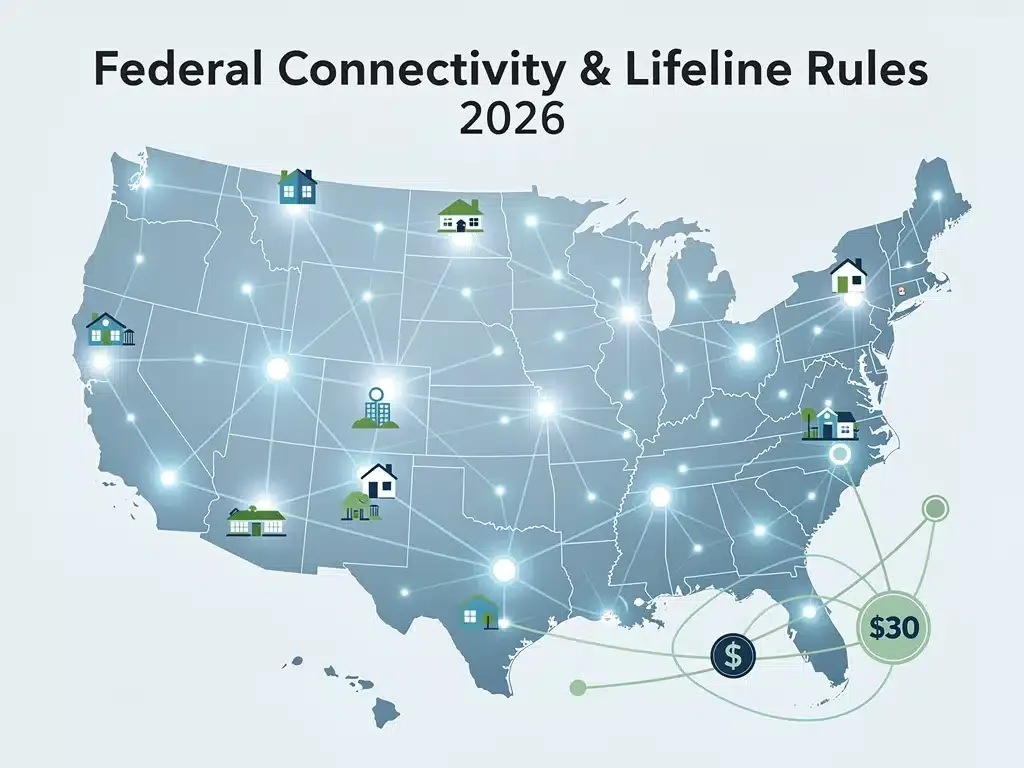
Community and Tribal Broadband Programs
In addition to individual subsidies, federal government programs are investing heavily in expanding broadband infrastructure, particularly in tribal lands and rural communities. These efforts aim to bring high-speed internet to areas where it is currently unavailable or inadequate.
These infrastructure projects often work in tandem with programs like Lifeline, ensuring that once broadband is available, residents can afford to subscribe to it. This integrated approach addresses both supply and demand for connectivity.
The success of the Federal Connectivity and Lifeline Rules in 2026 relies on these broader infrastructure investments. These programs collectively aim to eliminate digital deserts across the country.
Potential Challenges and Advocacy for Connectivity
Despite the federal government’s commitment to universal internet access, challenges persist, and advocacy plays a crucial role in shaping future policies. The Federal Connectivity and Lifeline Rules in 2026 are not immune to these ongoing discussions.
Issues such as funding stability, equitable distribution of resources, and technological advancements continue to influence the program’s trajectory. Engaging in advocacy helps ensure that the voices of beneficiaries are heard.
Understanding these challenges allows for more effective participation in the public discourse. The future of the $30 monthly high-speed internet benefit depends on continued vigilance and support.
Addressing the Digital Divide Effectively
The digital divide remains a complex issue, encompassing not only access to infrastructure but also affordability, digital literacy, and availability of devices. Federal programs strive to address these multifaceted barriers.
The Federal Connectivity and Lifeline Rules in 2026 are a key component of this broader strategy, but sustained effort is required across all fronts. Collaboration between government, private sector, and community organizations is essential.
Continuous evaluation and adaptation of policies are necessary to effectively close the digital divide. The $30 monthly high-speed internet benefit serves as a vital tool in this ongoing endeavor.
Advocacy for Sustainable Internet Access
Advocacy groups and consumer organizations are instrumental in highlighting the importance of affordable and reliable internet access. They work to influence policy decisions and ensure that programs like Lifeline remain robust and well-funded.
Individuals can contribute to these efforts by contacting their elected officials, participating in public comment periods, and supporting organizations dedicated to digital equity. Collective action strengthens the push for sustainable connectivity.
The Federal Connectivity and Lifeline Rules in 2026 will continue to be shaped by public input and advocacy. Your voice can make a difference in securing essential internet benefits for all.
| Key Point | Brief Description |
|---|---|
| Lifeline Program Updates | Changes to eligibility and administration of the $30 monthly internet benefit are expected in 2026. |
| Application Process | New documentation and verification steps may be introduced for enrollment and re-certification. |
| Provider Options | The range of participating ISPs and available plans may evolve, offering more choices. |
| Future Connectivity | Beyond Lifeline, other federal initiatives and advocacy play a role in ensuring universal access. |
Frequently Asked Questions
What are the primary changes to Lifeline Rules in 2026?▼The Federal Connectivity and Lifeline Rules in 2026 are expected to refine eligibility criteria and streamline the application process. These changes aim to enhance program efficiency and ensure the $30 monthly high-speed internet benefit reaches those most in need, adapting to current economic and technological landscapes.
How will the $30 monthly high-speed internet benefit be affected?▼While the $30 monthly benefit is likely to remain, its application might see adjustments to align with modern high-speed internet demands. The new Federal Connectivity and Lifeline Rules in 2026 seek to ensure the subsidy provides access to robust and reliable internet services, not just basic connectivity.
What documentation will I need to apply or re-certify for Lifeline in 2026?▼Applicants should anticipate updated documentation requirements, including proof of income, participation in federal assistance programs, and identity verification. Staying informed through official Lifeline channels is crucial for a smooth enrollment process under the Federal Connectivity and Lifeline Rules in 2026.
Can I choose my internet provider with the new Federal Connectivity and Lifeline Rules in 2026?▼Yes, the Federal Connectivity and Lifeline Rules in 2026 are expected to continue promoting choice among participating internet service providers. Official program resources will list approved ISPs, allowing beneficiaries to select a high-speed internet plan that best suits their needs and location, utilizing their $30 monthly benefit.
What other federal programs complement Lifeline for internet access?▼Beyond Lifeline, programs like the Affordable Connectivity Program (ACP) and various tribal and community broadband initiatives also aim to enhance internet access. While the future of ACP is under discussion, these broader efforts reinforce the goal of universal connectivity alongside the Federal Connectivity and Lifeline Rules in 2026.
Looking Ahead
The upcoming Federal Connectivity and Lifeline Rules in 2026 represent a significant step in the ongoing commitment to digital equity. These changes underscore the importance of staying informed and proactive for all beneficiaries.
The focus remains on ensuring that the $30 monthly high-speed internet benefit continues to be a vital resource, adapting to the evolving needs of a connected society.
Continuous monitoring of official announcements and community resources will be key to navigating this landscape successfully and securing essential internet access for years to come.