DOE's $4 Billion Grid Modernization: Preventing Summer Blackouts
Anúncios
Nothing ruins a scorching summer afternoon faster than the sudden silence of your air conditioner dying during a neighborhood power outage. With the Department of Energy’s $4 billion Grid Modernization initiative, federal officials are moving fast to keep your lights on when demand peaks.
This massive federal investment targets aging electrical infrastructure, extreme weather vulnerabilities, and rising cyber threats before they trigger widespread disruptions. By deploying smart technologies and upgrading transmission lines, the program aims to build a far more resilient power supply nationwide.
Whether you are worried about household reliability or regional energy security, this historic funding marks a major turning point for America's electrical network. Here is how the overhaul works and what it means for your community.
Understanding the Scope of the $4 Billion Investment
The $4 billion allocation from the Department of Energy represents a substantial commitment to upgrading the nation's electrical grid. This funding is poised to catalyze significant advancements in energy transmission, distribution, and resilience. The initiative aims to address systemic issues that have historically contributed to grid instability and power outages, particularly during periods of high demand.
This investment is not merely about patching existing problems but rather about implementing forward-thinking solutions that will serve the country for decades.
Anúncios
The Department of Energy Launches $4 Billion National Grid Modernization Initiative to Prevent Peak Summer Blackouts is a comprehensive strategy. It targets key areas such as enhancing transmission lines, deploying smart grid technologies, and improving cybersecurity measures.
The scope extends to supporting a diverse range of projects, from large-scale utility upgrades to smaller, community-based resilience efforts. The goal is to create a more robust and interconnected grid capable of withstanding various stressors. This broad approach ensures that the benefits of the Department of Energy Launches $4 Billion National Grid Modernization are felt across different regions and demographics.
Key Areas of Investment and Technological Advancements
A significant portion of the $4 billion will be directed towards enhancing the physical infrastructure of the grid. This includes upgrading aging transmission lines, replacing outdated transformers, and investing in new substation technologies. These improvements are crucial for increasing the capacity and reliability of power delivery, especially when preventing peak summer blackouts.
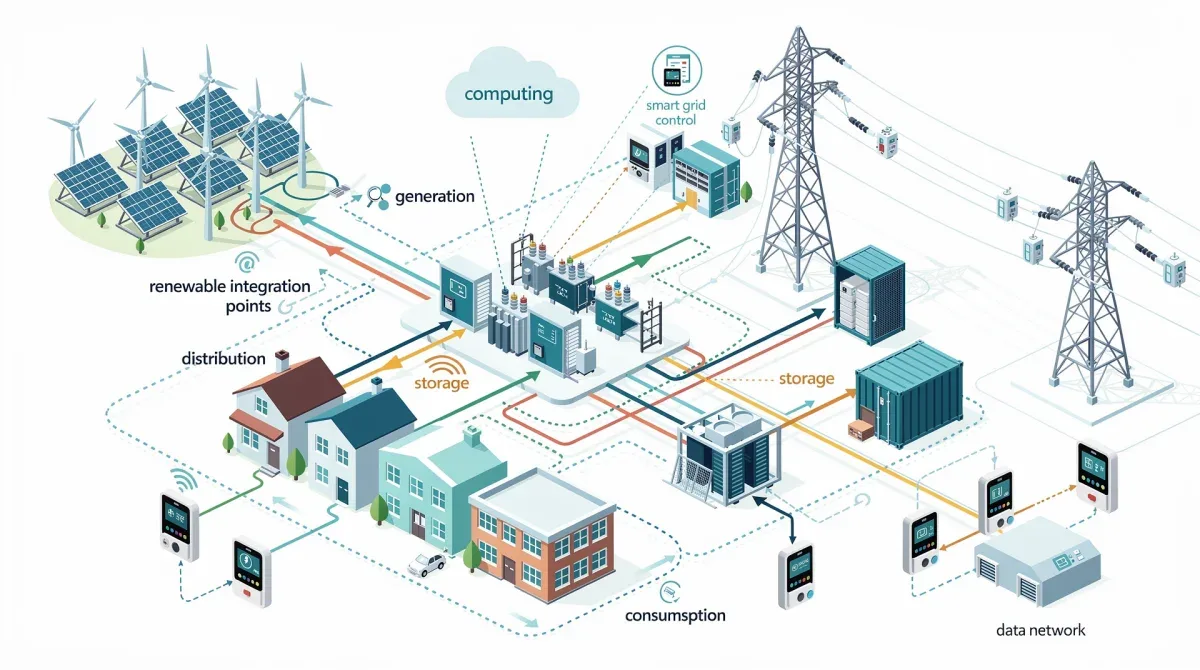
Another critical area of focus is the integration of advanced smart grid technologies. These technologies enable real-time monitoring, automated response to disturbances, and more efficient energy management. The Department of Energy Launches $4 Billion National Grid Modernization will accelerate the adoption of these innovations, making the grid more intelligent and adaptive.
Upgrading aging transmission and distribution lines.
Implementing advanced sensors and real-time monitoring systems.
Developing and deploying energy storage solutions.
Enhancing grid cybersecurity protocols.
Furthermore, the initiative will support the deployment of energy storage solutions, such as large-scale battery systems. These systems can store excess energy generated during off-peak hours and release it during peak demand, effectively smoothing out supply fluctuations and helping prevent peak summer blackouts. This aspect is vital for integrating more renewable energy sources into the grid.
Addressing the Threat of Peak Summer Blackouts
The primary driver behind the Department of Energy Launches $4 Billion National Grid Modernization is the urgent need to prevent widespread power outages during peak summer periods. These blackouts are often exacerbated by extreme heat, which increases demand for air conditioning and strains an already stressed grid. The initiative provides a strategic defense against these seasonal challenges.
Historically, summer blackouts have led to significant economic losses, disruptions to essential services, and public health risks.
Anúncios
The new funding aims to fortify the grid's capacity to handle these surges in demand. By investing in resilience and reliability, the Department of Energy is taking decisive action to protect communities and critical infrastructure from the impacts of power failures.
The strategies employed will not only focus on increasing overall capacity but also on improving the grid's ability to recover quickly from disturbances.
This includes developing microgrids and distributed energy resources that can operate independently if the main grid experiences an outage. The Department of Energy Launches $4 Billion National Grid Modernization is a multifaceted approach to ensuring uninterrupted power.
Impact of Climate Change and Extreme Weather on Grid Stability
Climate change continues to intensify extreme weather events, posing unprecedented challenges to the stability of the national grid. Heatwaves, severe storms, and wildfires increasingly threaten energy infrastructure. The Department of Energy's initiative directly confronts these realities by funding projects designed to harden the grid against such environmental stressors.
The vulnerability of the grid to climate-related events has been a growing concern for energy experts and policymakers. This $4 billion investment acknowledges the need for proactive measures to adapt the grid to a changing climate. The Department of Energy Launches $4 Billion National Grid Modernization focuses on making the infrastructure more robust and less susceptible to environmental damage.
Strengthening infrastructure against severe weather impacts.
Implementing predictive analytics for weather-related grid stress.
Developing climate-resilient energy systems.
Improving rapid response and recovery protocols.
Projects funded under this initiative will include measures such as undergrounding power lines in vulnerable areas, deploying advanced weather monitoring systems, and enhancing vegetation management around transmission corridors.
These actions are crucial for minimizing the risk of outages caused by natural disasters and ensuring that the Department of Energy Launches $4 Billion National Grid Modernization achieves its goals.
Enhancing Grid Resilience and Cybersecurity
A resilient grid is one that can withstand and rapidly recover from various disruptions, whether physical or cyber. The Department of Energy's $4 billion initiative places a strong emphasis on bolstering both aspects. Strengthening the grid's resilience involves not only physical upgrades but also the implementation of advanced operational strategies and cybersecurity protocols.
Cyber threats to critical infrastructure, including the electrical grid, are a constant and evolving concern. Malicious actors frequently target energy systems, making robust cybersecurity measures indispensable.
The Department of Energy Launches $4 Billion National Grid Modernization includes significant funding for enhancing the digital defenses of the grid, protecting it from potential attacks that could lead to widespread outages.
This comprehensive approach ensures that the grid is protected from both traditional and modern threats. By investing in state-of-the-art cybersecurity tools and training, the initiative aims to create a secure operational environment. The Department of Energy Launches $4 Billion National Grid Modernization is a crucial step towards safeguarding the nation's energy future against increasingly sophisticated adversaries.

Protecting Critical Infrastructure from Cyber Threats
Cybersecurity is a cornerstone of the grid modernization effort. The initiative will fund research and development into next-generation cybersecurity technologies specifically tailored for energy systems. This includes advanced threat detection, intrusion prevention, and rapid incident response capabilities. Protecting the grid from cyberattacks is as vital as physical hardening.
Training programs for grid operators and cybersecurity professionals will also be a key component. Equipping the workforce with the knowledge and skills to identify and neutralize cyber threats is essential for maintaining grid integrity. The Department of Energy Launches $4 Billion National Grid Modernization recognizes that human expertise is critical in a layered defense strategy.
Collaboration between government agencies, private utilities, and academic institutions will be fostered to share threat intelligence and best practices. This collaborative framework is designed to create a unified front against cyber adversaries. The Department of Energy Launches $4 Billion National Grid Modernization will leverage collective expertise to build a formidable cybersecurity posture.
The Role of Smart Grid Technologies
Smart grid technologies are at the forefront of the Department of Energy's modernization efforts. These innovative systems utilize digital communication, sensors, and automation to create a more efficient, reliable, and responsive electrical grid. Their integration is fundamental to preventing peak summer blackouts and ensuring long-term energy stability.
Smart grids enable two-way communication between utilities and consumers, allowing for better demand management and real-time adjustments to energy supply. This capability is crucial for balancing the load during periods of high demand, such as summer heatwaves. The Department of Energy Launches $4 Billion National Grid Modernization will significantly expand the deployment of these technologies nationwide.
The adoption of smart meters, advanced distribution management systems, and intelligent substations will transform how electricity is delivered and consumed. These technologies provide unprecedented visibility into grid operations, allowing for proactive maintenance and rapid fault detection. The Department of Energy Launches $4 Billion National Grid Modernization leverages these innovations to create a more dynamic and resilient energy ecosystem.
Integrating Renewable Energy and Energy Storage
Smart grid technologies are essential for the effective integration of renewable energy sources like solar and wind power. These intermittent sources require sophisticated management to maintain grid stability. The Department of Energy's initiative will facilitate this integration, supporting the transition to a cleaner energy future while enhancing reliability.
Energy storage solutions, often coupled with smart grid systems, play a critical role in managing the variability of renewables. By storing excess power when generation is high and releasing it when demand peaks, storage technologies help stabilize the grid. This is particularly important for preventing peak summer blackouts, as it provides a buffer against sudden drops in traditional generation or surges in demand.
Deploying advanced smart meters for enhanced monitoring.
Implementing intelligent sensors for real-time grid data.
Developing automated fault detection and restoration systems.
Supporting the integration of distributed energy resources.
The Department of Energy Launches $4 Billion National Grid Modernization will fund projects that combine smart grid infrastructure with renewable energy and storage solutions. This holistic approach not only strengthens the grid but also promotes environmental sustainability. The initiative aims to create a grid that is both robust and environmentally responsible.
Economic and Environmental Benefits
The Department of Energy's $4 billion national grid modernization initiative is expected to yield substantial economic benefits across the United States.
By preventing peak summer blackouts and enhancing grid reliability, the initiative will reduce economic losses associated with power outages, which can run into billions of dollars annually. Businesses will experience fewer disruptions, and productivity will improve, fostering a more stable economic environment.
Beyond immediate economic gains, the investment will create numerous jobs in manufacturing, construction, engineering, and technology sectors.
The development and deployment of new grid technologies and infrastructure will stimulate innovation and drive growth in related industries. This economic uplift is a direct positive outcome of the Department of Energy Launches $4 Billion National Grid Modernization.
From an environmental perspective, the modernization effort will facilitate a greater integration of renewable energy sources into the grid.
A smarter, more resilient grid can better accommodate solar and wind power, reducing reliance on fossil fuels and lowering carbon emissions. This alignment with clean energy goals is a significant long-term benefit of the Department of Energy Launches $4 Billion National Grid Modernization.
Long-Term Sustainability and Energy Independence
The initiative contributes significantly to the nation's long-term energy independence. By building a more robust and diversified energy infrastructure, the United States reduces its vulnerability to global energy market fluctuations and geopolitical events. This strategic foresight ensures a more secure and self-reliant energy future.
Investing in grid modernization also means investing in sustainable practices that will benefit future generations. The integration of advanced technologies and renewable energy sources will lead to a more efficient use of resources and reduced environmental impact. The Department of Energy Launches $4 Billion National Grid Modernization is a step towards a greener and more sustainable energy landscape.
Furthermore, increased energy efficiency resulting from smart grid technologies will lead to lower energy consumption and reduced costs for consumers and businesses alike.
This efficiency gain not only benefits individual users but also contributes to overall national energy security. The Department of Energy Launches $4 Billion National Grid Modernization offers multifaceted advantages.
Implementation Challenges and Future Outlook
Implementing a national grid modernization initiative of this scale is not without its challenges. Coordination among various stakeholders, including federal agencies, state governments, private utilities, and local communities, will be crucial. Navigating regulatory landscapes and ensuring timely project execution will require significant effort and strategic planning.
Another challenge involves the sheer complexity of integrating diverse technologies across a vast and interconnected grid system. Ensuring interoperability and cybersecurity across all new components will be paramount. The Department of Energy is committed to overcoming these hurdles to realize the full potential of the Department of Energy Launches $4 Billion National Grid Modernization.
Despite these challenges, the future outlook for the modernized grid is highly promising. The initiative is poised to transform the nation's energy infrastructure, making it more resilient, efficient, and sustainable. The long-term benefits of preventing peak summer blackouts and fostering a clean energy future far outweigh the complexities of implementation.
Anticipated Timeline and Key Milestones
The Department of Energy has outlined a phased approach for the implementation of the $4 billion initiative. Initial funding allocations are expected to be announced in the coming months, with projects commencing shortly thereafter. Key milestones will include the completion of major transmission upgrades, the widespread deployment of smart grid technologies, and the integration of new energy storage solutions.
Regular progress reports and public updates will be provided to ensure transparency and accountability throughout the implementation process. The Department of Energy is committed to keeping stakeholders informed of the advancements and challenges encountered. This transparency is vital for maintaining public trust and support for the Department of Energy Launches $4 Billion National Grid Modernization.
The initiative is expected to span several years, with significant improvements anticipated within the next five to ten years. The long-term vision is a fully modernized, secure, and resilient national grid capable of meeting the energy demands of the 21st century. The Department of Energy Launches $4 Billion National Grid Modernization is a strategic investment in the nation's future.
Community Engagement and Local Impact
The success of the Department of Energy's $4 billion national grid modernization initiative also hinges on effective community engagement. Local communities will be directly impacted by the infrastructure upgrades, and their input and cooperation are essential. Engaging with residents, businesses, and local governments will ensure that projects are tailored to specific regional needs and concerns.
The initiative aims to create local benefits beyond just preventing peak summer blackouts. This includes fostering local job creation, supporting small businesses involved in energy infrastructure, and enhancing local energy security. The Department of Energy is committed to ensuring that the benefits of the modernization efforts are equitably distributed across all communities.
Public awareness campaigns will be launched to educate communities about the importance of grid modernization and how the projects will benefit them. Addressing concerns about construction, environmental impact, and energy costs will be critical for gaining public support. The Department of Energy Launches $4 Billion National Grid Modernization emphasizes a collaborative approach to development.
Ensuring Equity and Accessibility in Grid Upgrades
A key aspect of community engagement is ensuring that grid upgrades promote equity and accessibility. Vulnerable communities, which often bear a disproportionate burden of power outages and energy insecurity, are a priority. The initiative seeks to bring reliable and affordable energy to all Americans, regardless of their socioeconomic status or geographic location.
Funding will be directed towards projects that specifically address the needs of underserved areas, including rural and low-income communities. This includes investments in microgrids and distributed energy resources that can provide localized power resilience. The Department of Energy Launches $4 Billion National Grid Modernization is designed to uplift all segments of society.
Stakeholder involvement will include diverse voices from environmental justice groups, tribal nations, and community organizations. Their perspectives will be integrated into the planning and implementation phases, ensuring that the modernization efforts are inclusive and beneficial for everyone. The Department of Energy Launches $4 Billion National Grid Modernization is a commitment to a just energy transition.
Key Point | Brief Description |
|---|---|
Investment Amount | $4 billion allocated by the Department of Energy for grid upgrades. |
Primary Goal | Preventing peak summer blackouts and enhancing grid resilience. |
Key Technologies | Smart grids, energy storage, cybersecurity, and transmission upgrades. |
Expected Benefits | Economic stability, job creation, environmental sustainability, and energy independence. |
Frequently Asked Questions About Grid Modernization
What is the main objective of the Department of Energy's $4 billion initiative?▼
The core objective of the Department of Energy Launches $4 Billion National Grid Modernization Initiative to Prevent Peak Summer Blackouts is to fortify the national electrical grid. This aims to enhance its resilience, reliability, and security against extreme weather, cyber threats, and increasing energy demands, particularly during the critical summer months.
How will this initiative help prevent summer blackouts?▼
The initiative prevents summer blackouts by upgrading aging infrastructure, deploying smart grid technologies for real-time management, and integrating energy storage solutions. These measures ensure the grid can handle peak demand effectively, reducing strain and improving response times to potential disruptions during hot periods.
What types of technologies will be implemented?▼
Key technologies include advanced sensors, automated control systems, smart meters, and large-scale battery storage. Enhanced cybersecurity measures are also a priority. These innovations will create a more intelligent and adaptable grid, crucial for the success of the Department of Energy Launches $4 Billion National Grid Modernization Initiative to Prevent Peak Summer Blackouts.
What are the expected long-term benefits of grid modernization?▼
Long-term benefits include enhanced energy independence, significant job creation, and substantial environmental improvements through greater renewable energy integration. The initiative aims to create a more stable, efficient, and sustainable energy future for the United States, aligning with national climate goals effectively.
How will communities be involved in these grid modernization projects?▼
Community engagement is vital, with plans for local input to tailor projects to specific regional needs. Emphasis is placed on equitable distribution of benefits, including job creation and improved energy access for underserved areas. This ensures broad support for the Department of Energy Launches $4 Billion National Grid Modernization Initiative to Prevent Peak Summer Blackouts.
Looking Ahead: The Future of U.S. Energy Infrastructure
The Department of Energy's $4 billion national grid modernization initiative represents a pivotal moment for the United States' energy future.
This investment is not merely a short-term fix but a foundational step towards a resilient, secure, and sustainable energy infrastructure. As projects get underway, the focus will remain on robust implementation, leveraging cutting-edge technology, and fostering collaboration across all sectors.
Monitoring the progress of this initiative will be crucial for understanding its full impact on preventing peak summer blackouts and enhancing overall grid stability. The success of the Department of Energy Launches $4 Billion National Grid Modernization will set a precedent for future infrastructure investments, shaping how the nation addresses energy challenges in an evolving climate.