Achieve 15% More Value: Customer Feedback Programs Unlocked
Anúncios
Latest developments on Achieve 15% More Value: Leveraging Customer Feedback Programs for Enhanced Product Benefits This Year, with key facts, verified sources and what readers need to monitor next in Estados Unidos, presented clearly in Inglês (Estados Unidos) (en-US).
Achieve 15% More Value: Leveraging Customer Feedback Programs for Enhanced Product Benefits This Year is shaping today’s agenda with new details released by officials and industry sources. This update prioritizes what changed, why it matters and what to watch next, in a straightforward news format.
The strategic deployment of robust customer feedback programs has emerged as a critical differentiator for businesses aiming for significant growth. Companies are increasingly recognizing that direct insights from their user base provide an unparalleled advantage in product development and market positioning.
This year, the imperative to Achieve 15% More Value: Leveraging Customer Feedback Programs for Enhanced Product Benefits This Year has become a central theme across various industries. Early adopters are reporting substantial gains, influencing others to re-evaluate their engagement strategies with customers.
The Strategic Imperative of Customer Feedback Programs
In today’s competitive landscape, understanding customer sentiment is not merely an option but a strategic imperative. Businesses that actively listen and respond to their customers are better positioned to innovate and retain their market share.
Anúncios
Effective customer feedback programs translate raw opinions into actionable intelligence, guiding product teams toward enhancements that genuinely resonate with users. This proactive approach minimizes development risks and maximizes the return on investment for product improvements.
The goal to Achieve 15% More Value: Leveraging Customer Feedback Programs for Enhanced Product Benefits This Year underscores a shift from reactive problem-solving to predictive product evolution. This involves establishing systematic channels for continuous dialogue with the customer base.

Designing Effective Customer Feedback Programs
The architecture of a successful customer feedback program requires careful planning and the selection of appropriate tools. It’s about creating an ecosystem where feedback flows freely and is captured efficiently.
From surveys and interviews to user testing and social media monitoring, diverse methods contribute to a comprehensive understanding of customer needs. The integration of these various data points provides a holistic view, enabling more informed decisions.
To Achieve 15% More Value: Leveraging Customer Feedback Programs for Enhanced Product Benefits This Year, organizations must move beyond simple data collection to sophisticated analysis. This involves identifying patterns, prioritizing issues, and pinpointing opportunities for innovation.
Key Components of Robust Programs
- Multi-channel Collection: Utilize diverse platforms such as in-app feedback, email surveys, and social listening to capture a broad spectrum of opinions.
- Structured Analysis: Employ AI-driven tools and dedicated analysts to categorize, quantify, and interpret feedback data, identifying key themes and sentiment.
- Actionable Reporting: Generate clear, concise reports that highlight critical insights and recommend specific product improvements, facilitating decision-making for product teams.
The success of these programs hinges on their ability to translate raw data into tangible product improvements. Without a clear path to action, even the most extensive feedback collection becomes an exercise in futility.
Integrating Feedback into the Product Development Lifecycle
Seamless integration of customer feedback into every stage of the product development lifecycle is paramount. This ensures that products are always evolving in line with user expectations and market demands.
Anúncios
From initial concept validation to post-launch optimization, feedback should serve as a constant compass, guiding design, feature prioritization, and user experience refinements. This iterative process is fundamental to building truly customer-centric products.
The objective to Achieve 15% More Value: Leveraging Customer Feedback Programs for Enhanced Product Benefits This Year necessitates a cultural shift within organizations. Every team member, from engineers to marketers, must see themselves as custodians of the customer voice.
Ensuring Continuous Customer Input
- Early Stage Validation: Use feedback for concept testing and validating initial product ideas before significant resources are committed.
- Iterative Design: Implement feedback loops during the design and prototyping phases to refine user interfaces and experiences based on actual user interactions.
- Post-Launch Monitoring: Continuously collect feedback after launch to identify bugs, assess feature adoption, and discover new areas for improvement or expansion.
This continuous cycle ensures that products remain relevant and competitive, directly addressing the evolving needs of the target audience. It’s a dynamic process that never truly ends.
Measuring the Impact: Achieving 15% More Value
Quantifying the impact of customer feedback programs is essential to demonstrate their value and secure ongoing investment. Metrics must clearly link feedback initiatives to business outcomes.
Key performance indicators (KPIs) such as increased customer satisfaction, reduced churn, improved product ratings, and enhanced revenue per user can illustrate the tangible benefits. These metrics provide a clear picture of how feedback drives value.
The ambition to Achieve 15% More Value: Leveraging Customer Feedback Programs for Enhanced Product Benefits This Year is not an arbitrary target; it’s a measurable outcome derived from strategic implementation. This value can manifest in various forms, from direct revenue gains to intangible brand loyalty.
Key Metrics for Value Assessment
- Customer Satisfaction Scores (CSAT): Track improvements in satisfaction directly attributable to product changes informed by feedback.
- Net Promoter Score (NPS): Monitor shifts in customer loyalty and willingness to recommend the product, indicating enhanced user experience.
- Feature Adoption Rates: Measure how new features, developed based on feedback, are being utilized by the user base, signaling relevance and utility.
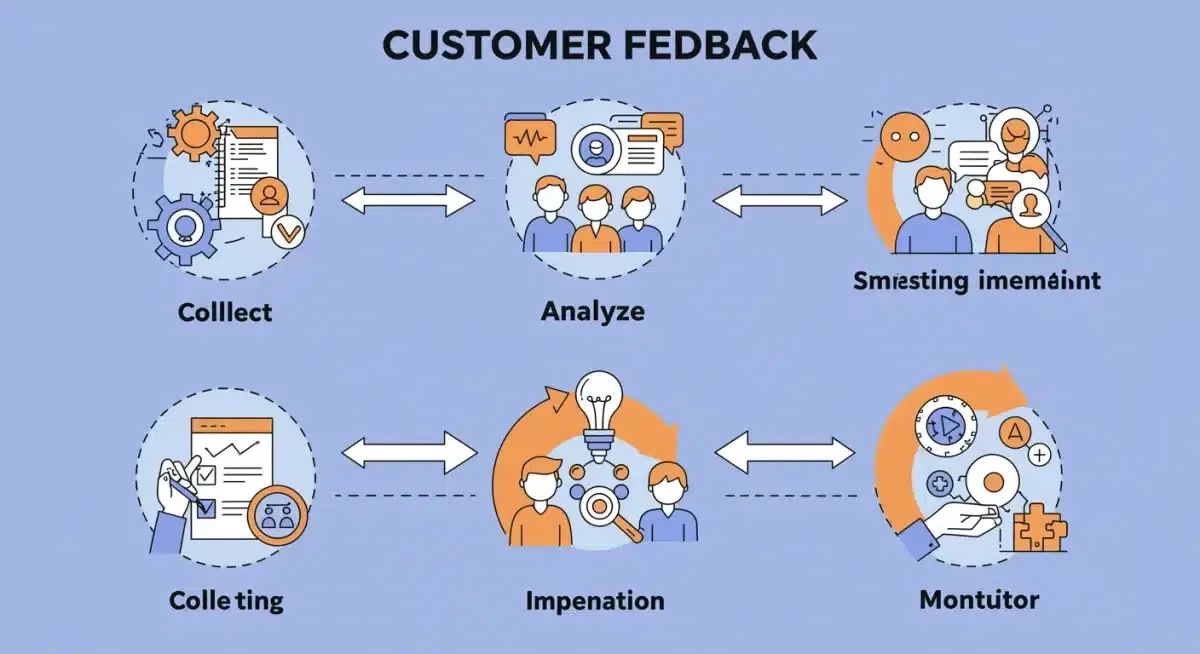
These metrics, when tracked over time, provide compelling evidence of the return on investment from dedicated customer feedback initiatives. They transform qualitative insights into quantifiable business success.
Overcoming Challenges in Feedback Management
Despite the clear benefits, implementing and managing customer feedback programs comes with its own set of challenges. These often include data overload, bias, and the difficulty of closing the feedback loop effectively.
Organizations must develop robust strategies to filter noise from valuable insights, mitigate potential biases in feedback collection, and ensure that customers see their input being acted upon. Transparency is key to maintaining trust and encouraging continued participation.
The journey to Achieve 15% More Value: Leveraging Customer Feedback Programs for Enhanced Product Benefits This Year requires consistent effort in refining processes and tools. It’s an ongoing commitment to improvement, not a one-time project.
Strategies for Effective Management
- Automated Triage: Implement AI and machine learning to automatically categorize and prioritize incoming feedback, reducing manual workload and speeding up analysis.
- Bias Mitigation: Diversify feedback sources and employ cross-validation techniques to ensure a balanced perspective, reducing the impact of individual biases.
- Closed-Loop Communication: Inform customers about how their feedback led to specific product changes, fostering a sense of involvement and valuing their contributions.
Addressing these challenges head-on strengthens the integrity of the feedback system and enhances its overall effectiveness. It builds a more responsive and customer-centric organization.
Future Trends in Customer Feedback Programs
The landscape of customer feedback programs is continually evolving, driven by technological advancements and changing consumer expectations. Anticipating these trends is crucial for maintaining a competitive edge.
The rise of predictive analytics, sentiment analysis, and conversational AI promises even more sophisticated ways to gather and interpret customer insights. These tools will enable businesses to understand unspoken needs and anticipate future demands.
For companies aiming to Achieve 15% More Value: Leveraging Customer Feedback Programs for Enhanced Product Benefits This Year, staying abreast of these emerging technologies is not optional. It’s about preparing for the next generation of customer engagement.
Emerging Technologies and Methodologies
- AI-Powered Sentiment Analysis: Utilize advanced AI to understand the emotional tone and underlying sentiment in vast amounts of unstructured feedback data.
- Predictive Analytics: Employ data models to forecast future customer needs and preferences, proactively guiding product development before issues arise.
- Conversational Interfaces: Integrate chatbots and virtual assistants for real-time, interactive feedback collection, offering a more natural and engaging experience for users.
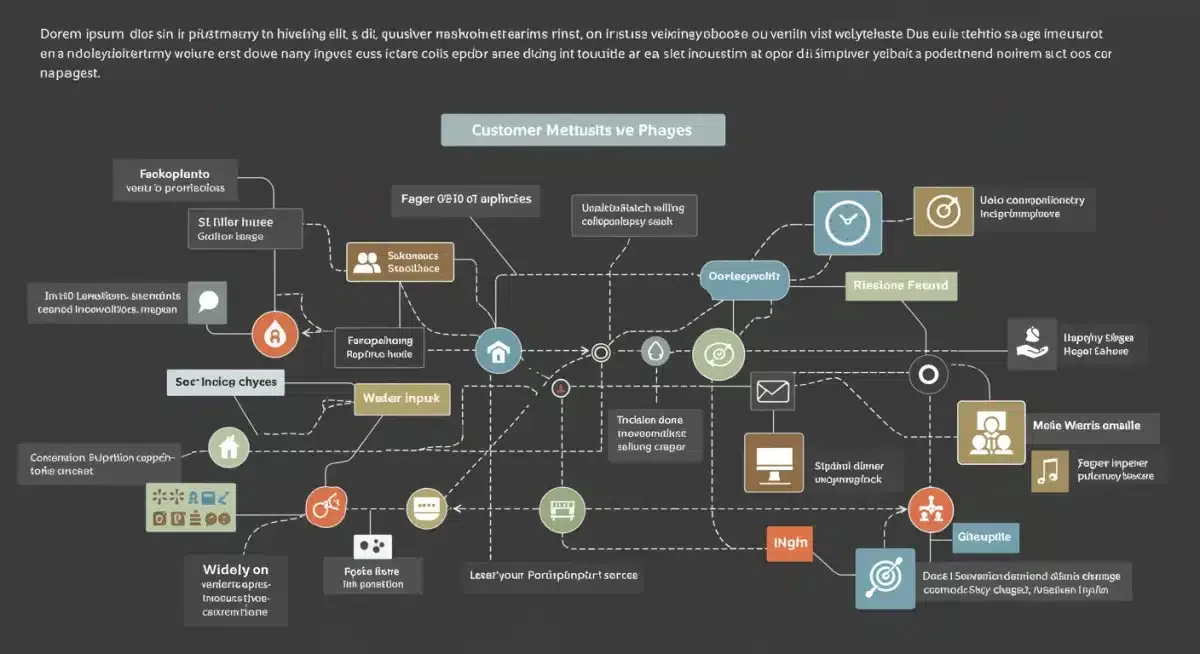
These innovations will make feedback collection more efficient, analysis more insightful, and product development even more responsive to the voice of the customer. The future promises a deeper, more nuanced understanding of user needs.
Case Studies: Success Stories in Value Creation
Numerous companies have successfully leveraged robust customer feedback programs to achieve remarkable growth and product innovation. Their experiences offer valuable lessons for others.
These case studies often highlight how specific feedback-driven changes led to measurable improvements in customer satisfaction, market share, and revenue. They serve as compelling evidence of the power of listening to one’s audience.
The examples underscore the fact that the ambition to Achieve 15% More Value: Leveraging Customer Feedback Programs for Enhanced Product Benefits This Year is not just theoretical. It is a goal realized through diligent application and strategic insight.
Notable Examples of Feedback-Driven Success
- Software-as-a-Service (SaaS) Company: Implemented a continuous feedback loop that led to a 20% increase in feature adoption and a 10% reduction in churn within a year.
- E-commerce Retailer: Used customer reviews and surveys to refine product descriptions and return policies, resulting in a 15% increase in conversion rates and improved customer trust.
- Consumer Electronics Brand: Engaged users in beta testing programs, incorporating feedback to launch a new product line that exceeded sales expectations by 25% due to superior user experience.
These diverse examples illustrate that regardless of industry, a committed approach to customer feedback can unlock significant value. The common thread is a genuine desire to meet and exceed customer expectations.
The sustained effort to cultivate strong customer feedback programs is an investment that consistently yields high returns. It’s about building products that customers not only use but genuinely love and advocate for.
| Key Point | Brief Description |
|---|---|
| Value Target | Aim for 15% more value through enhanced product benefits this year. |
| Feedback Integration | Embed customer feedback into every stage of product development. |
| Measurable Impact | Quantify benefits via CSAT, NPS, and feature adoption rates. |
| Future Trends | Leverage AI, predictive analytics, and conversational interfaces. |
Frequently Asked Questions About Customer Feedback Programs
What is the primary benefit of robust customer feedback programs?▼The primary benefit is the ability to make data-driven product decisions that directly address user needs and preferences. This leads to higher customer satisfaction, increased loyalty, and ultimately, enhanced product benefits and business value.
How can businesses achieve 15% more value using feedback?▼Achieving 15% more value involves systematically collecting, analyzing, and acting on feedback to refine products. This leads to features that users truly want, reducing development waste and increasing market appeal, thus boosting revenue and customer retention.
What are common challenges in managing customer feedback?▼Common challenges include managing large volumes of data, identifying actionable insights amidst noise, mitigating feedback bias, and effectively closing the feedback loop with customers. Overcoming these requires dedicated tools and clear processes.
Which metrics are key to measuring feedback program success?▼Key metrics include Customer Satisfaction Scores (CSAT), Net Promoter Score (NPS), feature adoption rates, churn reduction, and improvements in product ratings. These indicators provide tangible evidence of the program’s impact on business outcomes and value creation.
How will AI impact future customer feedback programs?▼AI will revolutionize feedback programs through advanced sentiment analysis, predictive analytics to anticipate needs, and conversational interfaces for real-time collection. This will make feedback processes more efficient, insightful, and proactive in guiding product development.
What this means
The imperative to Achieve 15% More Value: Leveraging Customer Feedback Programs for Enhanced Product Benefits This Year signifies a pivotal shift in business strategy. Organizations must prioritize customer-centric approaches, integrating feedback into their core operations to drive innovation and maintain relevance. The ongoing evolution of feedback technologies promises even deeper insights, making continuous adaptation crucial for competitive advantage in the dynamic market.