Future Forward: 4 Key Consumer Trends Shaping Product Development for Late 2026
Anúncios

Staying ahead in today’s rapidly shifting marketplace means mastering the latest Consumer Trends before your competitors do. As purchasing habits evolve, aligning product development with shifting buyer expectations is no longer just an advantage—it is essential for long-term brand survival.
Anticipating these behavioral transformations requires looking beyond surface-level preferences to understand the core drivers of modern brand loyalty. As late 2026 approaches, market demands are pushing development teams to innovate faster, smarter, and with far greater purpose.
Navigating this next era of product design demands actionable insights and strategic foresight. Discover the four critical behavioral shifts shaping the future of product creation and how your brand can leverage them to thrive.
The Ascent of Sustainable and Ethical Consumption
The demand for sustainable and ethically produced goods is no longer a niche concern but a mainstream expectation.
Consumers, particularly younger demographics, are increasingly scrutinizing the environmental and social impact of their purchases, pushing brands to adopt transparent and responsible practices.
Anúncios
This trend extends beyond mere product features to encompass the entire supply chain, from sourcing raw materials to manufacturing processes and end-of-life disposal.
Brands must demonstrate genuine commitment to sustainability, not just through marketing, but through tangible actions and measurable outcomes.
Companies that prioritize eco-friendly materials, fair labor practices, and circular economy principles will gain a significant competitive edge in the evolving market. This is a crucial aspect of consumer trends 2026, as environmental consciousness becomes a purchasing driver.
Eco-Conscious Materials and Production
Product developers are under pressure to innovate with sustainable materials that minimize environmental impact. This includes biodegradable plastics, recycled content, responsibly sourced natural fibers, and alternatives to resource-intensive components.
Beyond materials, production processes are being re-evaluated for energy efficiency, waste reduction, and carbon footprint.
Consumers are seeking products from companies that use renewable energy, implement closed-loop systems, and actively work to reduce their ecological footprint.
The shift towards eco-conscious materials and production is not just about compliance; it’s about building brand trust and resonance with a consumer base that values planetary well-being. This will be a defining characteristic of consumer trends 2026.
Anúncios
- Increased adoption of recycled and upcycled materials in product design.
- Preference for brands with transparent supply chains and ethical labor practices.
- Growth in demand for products with clear environmental certifications.
- Emphasis on reducing packaging waste and promoting refillable options.
Social Responsibility and Transparency
Consumers are demanding greater transparency regarding a company’s social impact, including labor conditions, community engagement, and diversity initiatives. Brands are expected to not only avoid harm but actively contribute positively to society.
This includes advocating for social justice, supporting local communities, and ensuring fair wages and safe working conditions throughout their global operations. Authenticity and accountability are paramount, as consumers are quick to identify and reject performative activism.
Building a reputation for strong social responsibility is becoming an indispensable component of brand equity, influencing purchasing decisions and fostering long-term loyalty. This focus on social responsibility is a key element of the consumer trends 2026.
The Era of Hyper-Personalization and Customization
Generic, one-size-fits-all products are losing their appeal as consumers increasingly seek experiences and items tailored specifically to their individual needs, preferences, and identities.
Technology is enabling an unprecedented level of personalization, from customized product features to bespoke digital experiences.
This trend is driven by a desire for uniqueness, self-expression, and products that genuinely solve individual problems or enhance personal lifestyles. Data analytics, AI, and advanced manufacturing techniques are making hyper-personalization scalable and accessible.
Businesses that can effectively leverage data to understand and anticipate individual consumer desires will be able to create highly relevant and engaging product offerings. This is a significant driver for consumer trends 2026.
AI-Driven Personalization at Scale
Artificial intelligence is at the forefront of delivering hyper-personalized experiences. AI algorithms analyze vast amounts of consumer data to predict preferences, recommend products, and even generate custom designs.
This allows brands to offer unique variations of products that resonate deeply with individual tastes.
From personalized skincare routines based on genetic data to custom-fit apparel designed through 3D scanning, AI is transforming how products are developed and delivered. The ability to offer tailored solutions without sacrificing efficiency is a game-changer for businesses.
Investing in AI capabilities for personalization will be crucial for staying competitive and meeting evolving consumer expectations. This technological advancement is central to understanding consumer trends 2026.
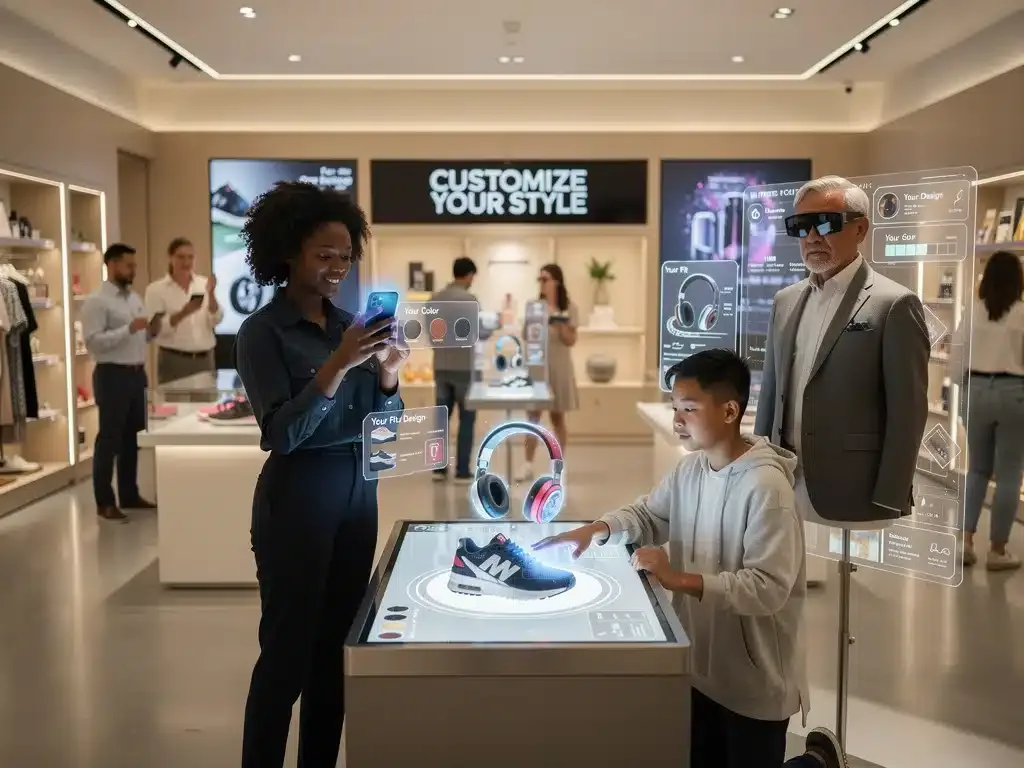
Co-Creation and Consumer Involvement
Consumers are no longer passive recipients of products but desire to be active participants in the creation process. Co-creation platforms allow individuals to customize products, share ideas, and even influence future product lines, fostering a deeper sense of ownership and loyalty.
This collaborative approach not only meets the demand for personalization but also provides invaluable insights into consumer desires and emerging preferences.
Brands that embrace co-creation can build stronger communities around their products and generate authentic engagement.
Empowering consumers to be part of the design and development journey transforms them into brand advocates, creating a powerful marketing effect. This collaborative model is a defining aspect of consumer trends 2026.
- Platforms allowing consumers to design or modify product features.
- Subscription services offering tailored product assortments based on user feedback.
- Interactive experiences where consumers can visualize custom products before purchase.
- Crowdsourcing ideas for new product development and innovations.
Seamless Digital Integration and Experience Economy
The lines between the physical and digital worlds continue to blur, with consumers expecting seamless, integrated experiences across all touchpoints. Products are increasingly connected, offering enhanced functionality, convenience, and access to digital services.
This trend extends beyond smart devices to encompass immersive digital shopping experiences, augmented reality (AR) product trials, and virtual communities built around brands.
The value of a product is no longer solely in its physical form but in the entire ecosystem of services and experiences it provides.
Businesses must think beyond individual products and consider how their offerings integrate into the broader digital lives of their consumers. This is a critical component of understanding consumer trends 2026.
Augmented and Virtual Reality for Product Engagement
AR and VR technologies are revolutionizing how consumers discover, interact with, and purchase products. Virtual try-on features for clothing and makeup, AR-powered home furnishing previews, and immersive virtual showrooms are becoming standard expectations.
These technologies provide rich, interactive experiences that bridge the gap between online browsing and physical interaction, reducing purchase uncertainty and enhancing engagement. Brands leveraging AR/VR effectively are creating memorable and efficient customer journeys.
The integration of these immersive technologies will be a key differentiator in the competitive market, offering novel ways to connect with consumers. This technological adoption is a central theme in consumer trends 2026.
Connected Products and Smart Ecosystems
The proliferation of IoT devices means that products are increasingly interconnected, forming smart ecosystems that offer enhanced convenience and functionality.
From smart home appliances that anticipate needs to wearable tech that integrates with health platforms, connectivity is paramount.
Product development must consider interoperability and the value proposition of a connected experience. Consumers expect their devices and services to work together seamlessly, simplifying their lives and providing valuable data-driven insights.
Developing products that are part of a larger, intelligent ecosystem will unlock new revenue streams and foster greater customer loyalty. This interconnectedness is a significant aspect of consumer trends 2026.
- Smart appliances integrating with home automation systems.
- Wearable technology providing personalized health and fitness insights.
- Digital platforms offering enhanced support and updates for physical products.
- Subscription models for digital services linked to physical product ownership.
The Pursuit of Holistic Wellness and Well-being
Wellness has expanded beyond physical health to encompass mental, emotional, and financial well-being. Consumers are actively seeking products and services that support a holistic approach to health, driven by increased awareness and a desire for balanced lifestyles.
This trend influences everything from food and beverage choices to personal care products, technology, and even financial services.
Brands that can genuinely contribute to a consumer’s overall well-being, providing tangible benefits beyond their primary function, will resonate deeply.
Authenticity and scientific backing are crucial, as consumers are discerning and seek credible solutions for their wellness journeys. This comprehensive approach to well-being is a core element of consumer trends 2026.
Mental Health and Emotional Support Products
With growing awareness of mental health challenges, there’s an increasing demand for products designed to support emotional well-being. This includes apps for meditation and mindfulness, stress-reducing consumer goods, and services that promote cognitive health.
Product developers are exploring how design, scent, sound, and tactile experiences can contribute to a sense of calm and emotional balance. Brands that integrate mental wellness considerations into their offerings will tap into a significant and underserved market.
Providing solutions that genuinely improve mental and emotional states will be a powerful differentiator in the late 2026 market. This focus on mental health is a key aspect of consumer trends 2026.
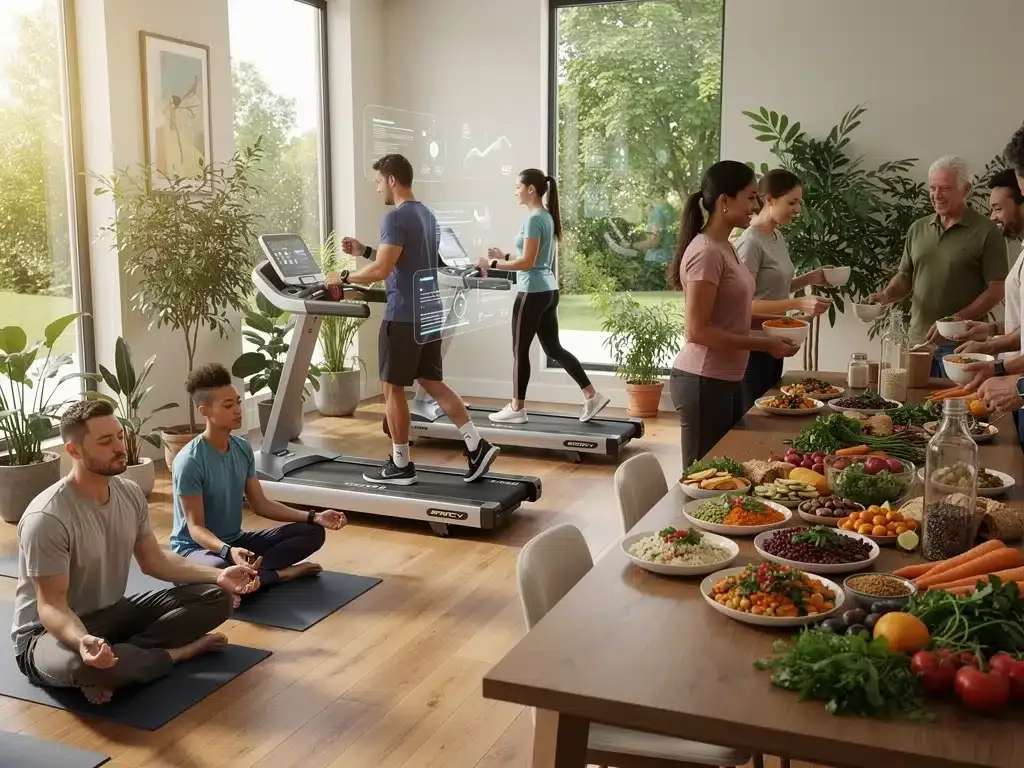
Proactive Health and Preventative Solutions
Consumers are shifting from reactive treatment to proactive prevention in their health management.
This drives demand for products that support preventative health, such as smart devices for monitoring vital signs, personalized nutrition plans, and supplements tailored to individual needs.
The focus is on empowering individuals to take greater control over their health through accessible information and effective tools. Products that offer clear, evidence-based benefits in preventing illness and promoting long-term health will be highly valued.
Innovation in preventative health solutions, often leveraging biotechnologies and data analytics, will define a significant portion of the market. This proactive approach to health is a central theme in consumer trends 2026.
- Wearable devices tracking sleep, activity, and stress levels.
- Personalized nutrition services based on dietary needs and health goals.
- Products promoting gut health and immunity through functional ingredients.
- Digital platforms offering guided exercise and mindfulness programs.
| Key Trend | Impact on Product Development |
|---|---|
| Sustainable Consumption | Prioritizing eco-friendly materials, ethical sourcing, and circular design. |
| Hyper-Personalization | Leveraging AI and co-creation for tailored products and experiences. |
| Digital Integration | Seamless AR/VR experiences and connected smart product ecosystems. |
| Holistic Wellness | Developing products for mental, emotional, and preventative physical health. |
Frequently Asked Questions About 2026 Consumer Trends
What is the most impactful consumer trend for late 2026 product development?▼Sustainability and ethical consumption are poised to be the most impactful. Consumers are increasingly making purchasing decisions based on a brand’s environmental footprint and social responsibility, pushing companies to adopt transparent and eco-friendly practices across their entire supply chain, making it a cornerstone of consumer trends 2026.
How will personalization evolve by late 2026?▼Personalization will reach hyper-levels, driven by AI and data analytics. Products will be tailored to individual preferences, not just in features but in entire experiences. Co-creation models will also empower consumers to actively participate in product design, defining the future of consumer trends 2026.
What role does digital integration play in future product development?▼Digital integration is crucial, creating seamless experiences across physical and virtual realms. Augmented and virtual reality will enhance product discovery and interaction, while connected products will form smart ecosystems offering greater convenience and functionality. This is a core aspect of consumer trends 2026.
Why is holistic wellness a key trend for product development?▼Holistic wellness encompasses mental, emotional, and physical health, driving demand for products that support overall well-being. Consumers seek preventative solutions and items that genuinely contribute to a balanced lifestyle, influencing everything from food to technology. This broad appeal makes it vital for consumer trends 2026.
How can businesses adapt to these consumer trends for 2026?▼Businesses must embrace agile product development, prioritize data-driven insights, and invest in sustainable and ethical practices. Fostering transparency, leveraging AI for personalization, and integrating digital experiences are essential strategies to align with the evolving consumer trends 2026 and ensure market relevance.
What this means
The detailed analysis of Consumer Trends clarifies the strategic imperatives for businesses.
It is evident that adaptability, ethical considerations, and technological prowess will be non-negotiable for market success. Companies must begin integrating these insights now to remain competitive.
Monitoring consumer sentiment and technological advancements will be crucial as these trends continue to evolve, shaping the landscape of product development well beyond 2026. The next phase of innovation hinges on a deep understanding of these shifts.