2026 Pell Grant Maximum Award: Is Your Family Eligible for Up to $7,395?
Anúncios

Are you trying to figure out how to pay for college without drowning in student loan debt? The good news is that the 2026 Pell Grant Maximum Award has officially locked in at $7,395, offering a massive financial boost.
This federal tuition subsidy provides vital funding that eligible undergraduate students never have to pay back. Navigating the government application process early ensures your household doesn’t miss out on these crucial higher education resources.
With recent changes to income thresholds and eligibility formulas, understanding where your family stands is more critical than ever. Discover how to qualify for this essential collegiate aid and secure your maximum funding today.
Understanding the 2026 Pell Grant Maximum Award
The Pell Grant program remains a cornerstone of federal student aid, providing crucial financial assistance to millions of low-income undergraduate students across the United States.
As discussions unfold regarding the 2026 Pell Grant Maximum Award, prospective students and their families are keenly interested in the potential increase to $7,395, a figure that represents a significant boost in educational accessibility.
Anúncios
This anticipated increase reflects ongoing efforts to make higher education more affordable, especially for those facing substantial financial barriers.
The Pell Grant is unique because it is a grant, meaning it does not need to be repaid, unlike student loans, making it an invaluable resource for eligible students.
The determination of the 2026 Pell Grant Maximum Award is influenced by congressional appropriations and the federal budget process, which can be complex and subject to various legislative priorities. Families need to stay informed about these developments to accurately plan for future college expenses.
Eligibility Criteria for the Pell Grant
To qualify for the Pell Grant, students must demonstrate exceptional financial need, as determined by the information provided on the Free Application for Federal Student Aid (FAFSA).
The U.S. Department of Education uses a specific formula to calculate a student’s Expected Family Contribution (EFC), which plays a pivotal role in determining eligibility and the amount of aid received.
Beyond financial need, applicants must also meet several general eligibility requirements, including being a U.S. citizen or eligible non-citizen, having a valid Social Security number, and being enrolled in an eligible degree or certificate program at an accredited institution.
These foundational requirements ensure that the aid reaches those who are genuinely pursuing higher education.
Anúncios
Furthermore, students must maintain satisfactory academic progress as defined by their educational institution to continue receiving Pell Grant funds.
This requirement is in place to ensure that students are utilizing the funds effectively towards their academic goals, reinforcing the program’s commitment to educational achievement.
Key Factors for Eligibility
- Demonstrated Financial Need: Determined through FAFSA data and EFC calculation.
- Enrollment Status: Must be enrolled in an eligible program at an accredited school.
- Academic Progress: Maintaining satisfactory academic standing as per institutional policy.
The FAFSA Application Process for 2026 Aid
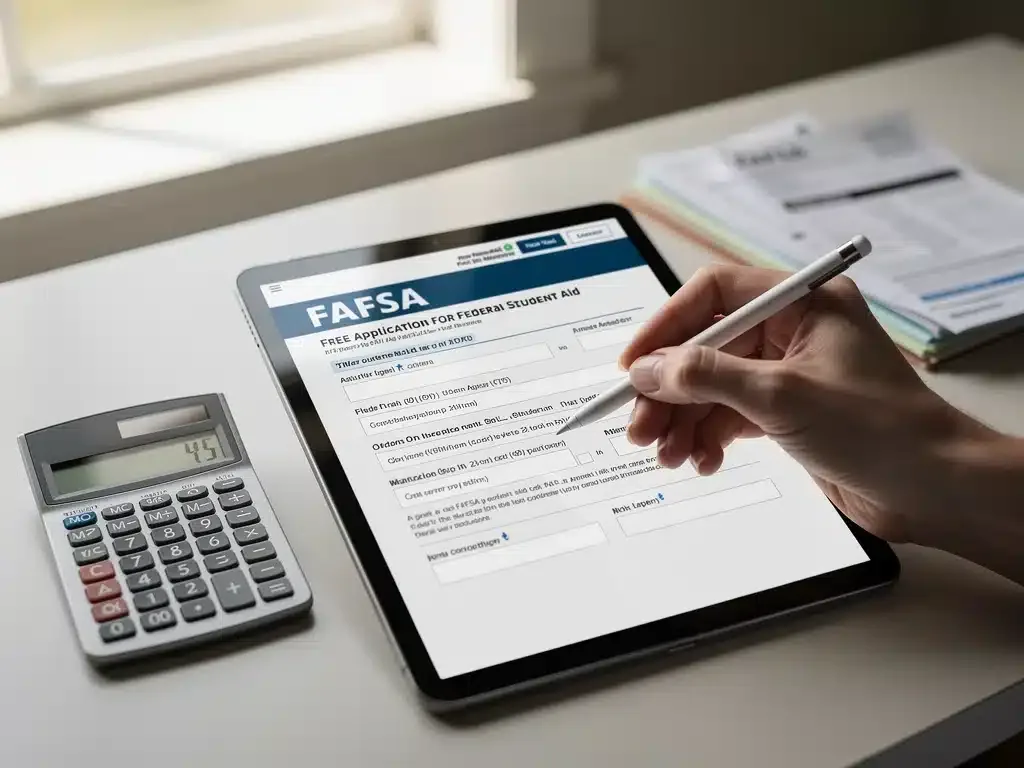
The Free Application for Federal Student Aid (FAFSA) is the gateway to accessing federal financial aid, including the Pell Grant.
For the 2026-2027 academic year, the FAFSA will require comprehensive financial information from students and their families, typically using tax data from two years prior (e.g., 2024 tax information for the 2026-2027 FAFSA). Completing this form accurately and on time is paramount for securing aid.
The recent simplification of the FAFSA process, aimed at making it more user-friendly, seeks to reduce barriers for applicants.
However, families should still prepare to gather all necessary financial documents, such as tax returns, W-2 forms, and records of untaxed income, well in advance to avoid delays.
Submitting the FAFSA early is highly recommended, as some financial aid, including certain state and institutional grants, is awarded on a first-come, first-served basis.
Missing deadlines can significantly impact a student’s ability to receive the full range of aid for which they might be eligible, potentially affecting their access to the 2026 Pell Grant Maximum Award.
Impact of the Proposed $7,395 Maximum Award
The potential increase of the 2026 Pell Grant Maximum Award to $7,395 represents a significant financial relief for many families.
For students attending community colleges or less expensive four-year institutions, this amount could cover a substantial portion, if not all, of their tuition and fees, reducing the need for loans.
This increased award also has broader implications for student debt, potentially alleviating the burden on graduates entering the workforce. By reducing reliance on loans, students can focus more on their studies and future careers rather than immediate repayment concerns.
Furthermore, a higher Pell Grant maximum can empower more students to pursue higher education who might otherwise be deterred by rising costs.
This expansion of access aligns with national goals of fostering a more educated workforce and promoting economic mobility for underserved populations, making the 2026 Pell Grant Maximum Award a critical policy point.
Benefits of an Increased Pell Grant
- Reduced Student Debt: Less reliance on loans means lower post-graduation financial burdens.
- Increased Access: More students from low-income backgrounds can afford college.
- Broader Educational Opportunities: Students can pursue degrees without overwhelming financial stress.
How Family Income Affects Your Pell Grant
Your family’s income is a primary determinant of your Expected Family Contribution (EFC) and, consequently, your Pell Grant eligibility and award amount.
The lower your EFC, the higher your potential Pell Grant award, up to the maximum. This system is designed to direct aid to those with the greatest financial need, ensuring effective distribution of federal funds.
It is important to understand that EFC is not the amount your family will pay for college but rather an index used by colleges to determine your aid eligibility.
Various factors beyond just income, such as family size, assets, and the number of family members in college, are considered in its calculation, influencing the 2026 Pell Grant Maximum Award.
Families with significant income changes, whether increases or decreases, should be aware of how these shifts might impact their eligibility for future Pell Grants. It’s crucial to report accurate and up-to-date financial information on the FAFSA to ensure fair assessment of need.

Other Federal Student Aid Options
While the Pell Grant is a cornerstone, it is just one component of a broader landscape of federal student aid programs.
Students should explore other options such as Federal Supplemental Educational Opportunity Grants (FSEOG), which are campus-based and awarded to students with exceptional financial need, often complementing the Pell Grant.
Federal Work-Study programs offer part-time jobs to help students earn money for education expenses while studying.
These programs provide valuable work experience and financial support, lessening the financial strain and potentially reducing the need for extensive loans, even with a strong 2026 Pell Grant Maximum Award.
Additionally, federal student loans, though requiring repayment, often come with more favorable terms than private loans, including fixed interest rates and income-driven repayment plans.
Understanding the full spectrum of federal aid can help students build a comprehensive financial plan for their education.
Exploring Additional Aid
- Federal Supplemental Educational Opportunity Grants (FSEOG): For students with exceptional financial need.
- Federal Work-Study: Part-time employment to help cover educational costs.
- Federal Student Loans: Government-backed loans with favorable repayment terms.
Preparing for the 2026-2027 Academic Year
Preparing for the 2026-2027 academic year involves more than just submitting the FAFSA; it requires strategic planning and understanding of the financial aid landscape.
Families should begin researching colleges and their respective costs early, as tuition, fees, and living expenses vary significantly between institutions.
Monitoring legislative updates regarding federal funding for student aid programs is also vital. Changes in congressional appropriations can directly influence the actual 2026 Pell Grant Maximum Award and other federal grants, impacting financial planning.
Engaging with high school guidance counselors or college financial aid offices can provide personalized advice and clarify specific institutional requirements. These resources are invaluable for navigating the complexities of college financing and maximizing aid opportunities.
Staying Informed on Pell Grant Updates
The landscape of federal student aid is dynamic, with potential changes to eligibility requirements, application processes, and award amounts. Staying informed about these updates is crucial for families planning for college costs, especially concerning the 2026 Pell Grant Maximum Award.
Reliable sources for information include the official website of Federal Student Aid (StudentAid.gov), college financial aid offices, and reputable news outlets that cover education policy. Subscribing to newsletters or alerts from these sources can ensure timely receipt of critical information.
Proactive engagement with these resources allows families to adjust their financial strategies as needed, ensuring they are well-prepared to apply for and receive the maximum possible aid. This vigilance helps in securing the best possible financial outcome for college-bound students.
| Key Point | Brief Description |
|---|---|
| 2026 Pell Grant Maximum Award | Anticipated increase to $7,395, offering significant college aid. |
| Eligibility Factors | Financial need (EFC), U.S. citizenship, program enrollment, academic progress. |
| FAFSA Importance | Mandatory for federal aid; use 2024 tax info for 2026-2027 academic year. |
| Other Aid Options | FSEOG, Work-Study, and federal loans complement Pell Grant funding. |
Frequently Asked Questions About Pell Grants
What is the main purpose of the Pell Grant?▼The Pell Grant aims to provide financial assistance to undergraduate students with exceptional financial need to help them pay for college. Unlike loans, it does not need to be repaid, making it a critical resource for increasing access to higher education for low-income families.
How is the 2026 Pell Grant Maximum Award determined?▼The 2026 Pell Grant Maximum Award is determined annually by Congress through the federal budget and appropriations process. The final amount depends on legislative decisions and the overall funding allocated to federal student aid programs, reflecting national educational priorities.
Can undocumented students receive the Pell Grant?▼No, unfortunately, undocumented students are not eligible for federal student aid, including the Pell Grant. To qualify, students must be U.S. citizens or eligible non-citizens, as defined by federal regulations. State or institutional aid may be available for these students.
What happens if my family’s income changes after I apply?▼If your family’s financial situation changes significantly after submitting the FAFSA, you should contact your college’s financial aid office. They may be able to make adjustments to your financial aid package, potentially impacting your eligibility for the 2026 Pell Grant Maximum Award or other aid.
Is the Pell Grant available for graduate studies?▼No, the Pell Grant is exclusively for undergraduate students pursuing their first bachelor’s degree or certain post-baccalaureate programs. Graduate students typically explore other federal aid options, such as federal student loans or specific grants for graduate-level studies.
What Happens Now
The anticipated increase in the 2026 Pell Grant Maximum Award signifies a crucial moment for college affordability. Families should prioritize understanding the FAFSA process and gathering necessary documentation well in advance.
Monitoring official announcements from the Department of Education and congressional decisions will be key to staying ahead.
This proactive approach will ensure that eligible students can fully leverage this vital federal support to achieve their educational aspirations, reducing financial barriers and promoting broader access to higher education across the United States.